In recent years, the demand for Carrier Paper Bags has surged dramatically. According to a report by Grand View Research, the global paper bag market is projected to reach $4.3 billion by 2026. This growth is largely driven by environmental concerns and the shift towards sustainable packaging solutions. Businesses are increasingly conscious of their carbon footprint. As a result, Carrier Paper Bags have emerged as a preferred choice.
Companies like Coca-Cola and Unilever are adopting these bags in their packaging strategies. This trend is not just about aesthetics; it's about responsibility. In 2020, the European Union reported that over 57% of consumers prefer brands that support eco-friendly initiatives. However, not all businesses have embraced this trend wholeheartedly. Some still rely heavily on plastic, citing cost and convenience. This presents a significant challenge to the transition towards sustainable options.
As global buyers look forward to the 2026 trends, several pivotal factors must be considered. These include durability, functionality, and design. While many companies innovate, others may struggle to meet the evolving expectations of consumers. Thus, reflecting on these challenges can lead to more effective strategies for adopting Carrier Paper Bags.
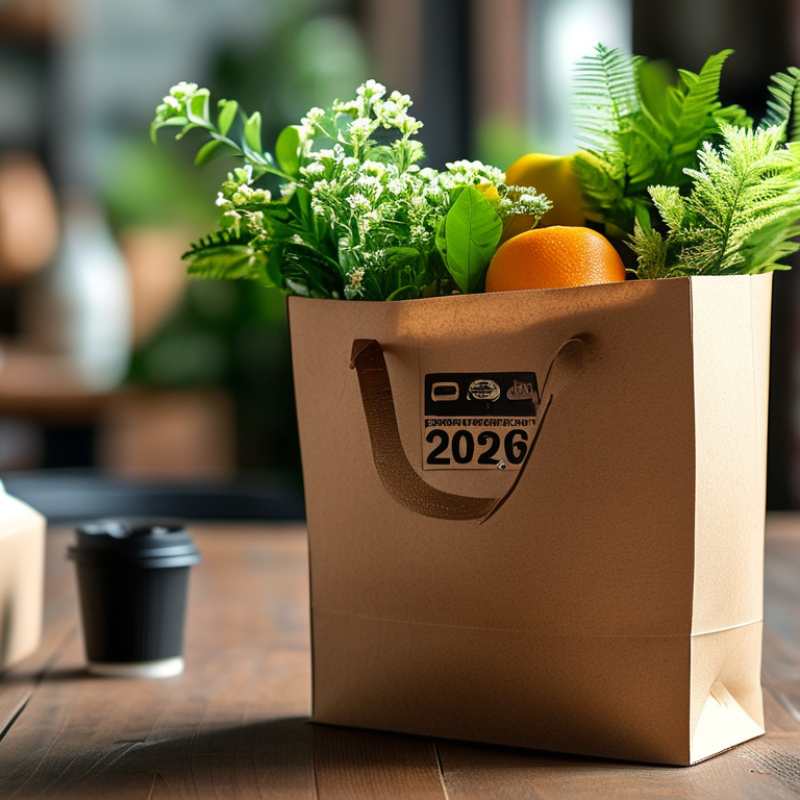
The global market for carrier paper bags is experiencing notable growth. By 2026, the market is projected to reach approximately $5 billion, reflecting a compound annual growth rate (CAGR) of 4.5%. This trend aligns with the rising demand for eco-friendly packaging, driven by consumer preferences for sustainable products. Companies are increasingly adopting paper bags to reduce their carbon footprints.
In terms of regional performance, North America and Europe lead the market. These regions account for over 60% of total consumption. Notably, the European market is anticipated to expand rapidly due to stringent regulations against plastic bags. In contrast, the rise in urbanization and disposable income in Asia-Pacific regions presents new opportunities. However, challenges remain, such as the cost of raw materials impacting pricing strategies.
Emerging patterns reveal consumer interest in innovative designs and multifunctional bags. Customization is becoming a crucial selling point. Many buyers seek unique aesthetics combined with functionality. As a result, manufacturers need to adapt quickly to shifting preferences. Balancing quality and sustainability can be complex. This scenario poses a reflection for companies: How can they innovate without compromising the environment? Adopting a user-focused design approach may pave the way for successful product development in this competitive landscape.
The design landscape for carrier paper bags is evolving, reflecting consumer preferences and sustainability trends. In 2026, we can expect to see a rise in minimalist designs. Simple logos and neutral colors will dominate the market. These designs communicate elegance and practicality. They appeal to eco-conscious shoppers seeking both style and functionality.
Textured materials will garner attention as well. Different finishes, such as matte or embossed patterns, can enhance tactile experiences. This trend invites consumers to engage with the product. Additionally, eco-friendly inks and dyes are essential. Shoppers are looking for bags that not only look good but also uphold their values. Yet, producers must balance these wishes with cost and availability, which can pose challenges.
Artistic elements will emerge, too. Hand-drawn illustrations or custom graphics could add uniqueness. This offers brands a way to express their identity. However, designers should be cautious about overloading the bag with details. Cluttered designs often miss the mark. Reflecting upon these trends, businesses must consider both creativity and consumer insights for effective designs.
Sustainability has become a crucial part of the carrier paper bag industry. Innovations in materials and production methods are transforming how these bags are made. According to a recent market report, the demand for eco-friendly paper bags is expected to grow by over 15% annually. This shift reflects growing consumer awareness and concern for the environment.
Recent statistics highlight that 80% of consumers prefer sustainable packaging options. In a world where plastic pollution is rampant, carrier paper bags are a viable alternative. The production of such bags often utilizes recycled materials, reducing the carbon footprint. This trend not only helps the planet but also appeals to eco-conscious buyers.
Consider these simple tips when choosing paper bags. Look for bags made from 100% recycled paper. Ensure that the bags are biodegradable and compostable. Support companies that prioritize sustainable practices. By making informed choices, we can all contribute to a healthier environment. Sustainable paper bags may still face challenges, such as higher production costs, but their long-term impact is undeniable.
The carrier paper bags market is experiencing significant shifts driven by changing consumer preferences. As sustainability becomes a priority, buyers prefer eco-friendly materials. This trend reflects a broader movement towards responsible consumption. Today, consumers are more aware of the environmental impact of their choices. They seek products that align with their values.
Design is also crucial in this market. Unique visuals and personalized touches attract consumers. Bright colors and innovative prints can elevate the shopping experience. Yet, not all designs resonate equally. Some consumers feel overwhelmed by excessive ornamentation, preferring simplicity and functionality. This highlights the need for brands to strike a balance between aesthetics and usability.
To keep up with evolving consumer tastes, brands should engage with their customers. Gathering feedback can provide valuable insights. Offering options that cater to different preferences can enhance customer loyalty. Consider exploring biodegradable options as an alternative. As society embraces eco-conscious living, aligning with these values is essential for long-term success. Embracing change and remaining adaptable will help brands navigate the complex landscape of the paper bag market.
The regional analysis of carrier paper bag trends reveals diverse consumer preferences and market growth rates. North America shows a strong shift towards eco-friendly packaging. Many brands are investing in sustainable materials to meet customer demands. Europe follows closely, emphasizing innovative designs and functionality. The focus on recycling enhances market expansion.
In Asia-Pacific, growth is propelled by urbanization and rising disposable incomes. Consumers here favor stylish designs while also seeking sustainability. However, sourcing challenges persist, requiring suppliers to reassess their materials. Latin America presents unique hurdles. While demand is growing, infrastructure and production capacity need improvement.
Regional nuances paint a complex picture of the carrier paper bag market. Companies must adapt to varying preferences. Understanding these trends is crucial for strategic planning. This will ensure products resonate with local consumers while also meeting global sustainability goals. The evolving landscape offers opportunities, but also demands careful navigation.
| Region | Market Share (%) | CAGR (2021-2026) | Growth Driver | Key Trend |
|---|---|---|---|---|
| North America | 35% | 6.5% | Sustainability Initiatives | Biodegradable Materials |
| Europe | 28% | 5.8% | Regulatory Support | Custom Designs |
| Asia-Pacific | 25% | 7.0% | E-commerce Growth | Personalization |
| Latin America | 8% | 4.2% | Increasing Retail Sector | Eco-friendly Options |
| Middle East & Africa | 4% | 3.5% | Emerging Markets | Traditional Designs |
: The growth is fueled by increasing consumer demand for eco-friendly packaging and sustainable products.
North America and Europe dominate the market, accounting for over 60% of total consumption.
The cost of raw materials impacts pricing strategies and can complicate sustainability efforts.
Minimalist designs with simple logos and neutral colors will be prevalent, appealing to eco-conscious shoppers.
Unique finishes like matte or embossed patterns enhance tactile experiences, inviting consumer interaction with the product.
Many buyers seek unique aesthetics and functionality, making customization a crucial selling point for manufacturers.
Overly detailed designs can clutter the product, detracting from the intended elegance and simplicity.
Urbanization and rising incomes drive demand for stylish yet sustainable designs among consumers.
Infrastructure and production capacity challenges hinder the growth despite increasing demand for carrier paper bags.
Understanding regional consumer preferences is crucial for developing products that align with local values and sustainability goals.
The article "2026 Top Carrier Paper Bags Trends for Global Buyers" explores various facets of the carrier paper bags market, offering insights into potential growth and innovation. It begins with a comprehensive overview of the global market, highlighting key data points that illustrate the increasing demand for eco-friendly packaging solutions. Emerging design trends for 2026 are discussed, emphasizing the shift toward more sustainable aesthetics that appeal to environmentally-conscious consumers.
Furthermore, the article delves into sustainability innovations, presenting statistics that underline the impact of these advancements on consumer preferences and demand shifts. Regional analyses reveal diverse trends and projections, suggesting that while global interest in carrier paper bags is on the rise, local preferences may influence specific design and functionality aspects. Overall, the piece underscores the significance of carrier paper bags in a rapidly evolving market landscape, driven by sustainability and consumer trends.

Judi Packaging