In today's competitive market, effective branding is essential. One way businesses can achieve this is through Printing On Paper Bags. These bags serve as an eco-friendly alternative to plastic, appealing to environmentally conscious consumers. They offer a canvas for creativity, allowing brands to showcase their logos, designs, and messages.
However, not all printing techniques produce the same quality. Selecting the right method can make a significant difference. Some techniques may lead to fading or peeling, diminishing the bag's visual appeal. It is crucial for global buyers to consider various factors, such as ink quality and printing durability, when seeking the best solutions.
Moreover, understanding the target audience is key. Customized designs can build a connection with consumers, enhancing brand loyalty. Yet, there can be challenges in achieving the perfect balance between aesthetics and functionality. Reflecting on these aspects will help businesses make informed decisions in their Printing On Paper Bags journey.
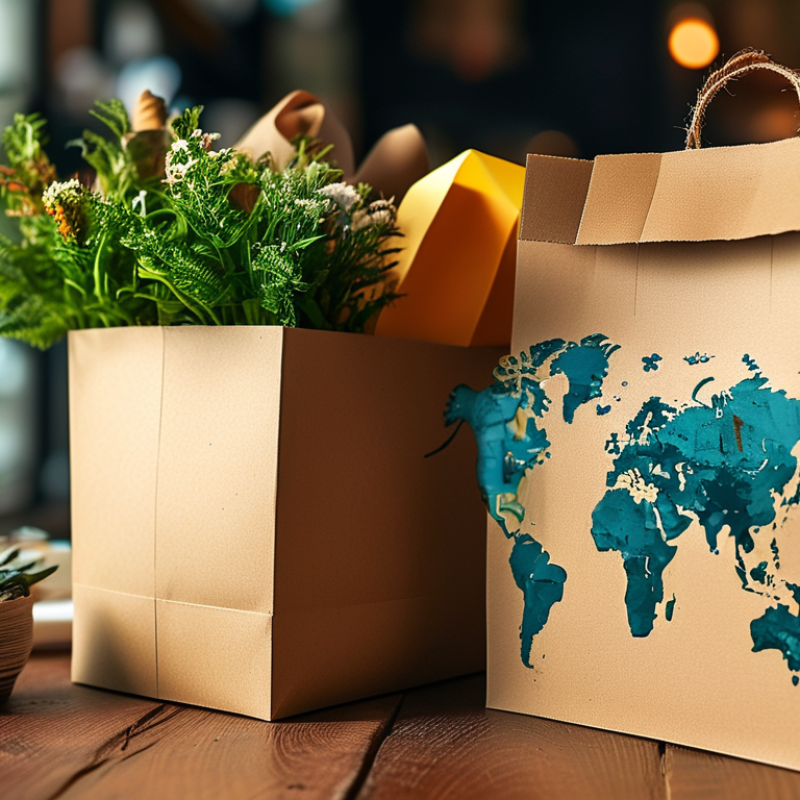
The trend toward sustainable packaging is reshaping the retail landscape. In recent years, the demand for paper bag printing solutions has surged. According to a recent market analysis, the global paper bag market is projected to grow at a CAGR of 4.7% from 2022 to 2028. This growth reflects a significant shift towards eco-friendly packaging.
Print quality plays a crucial role in consumer perception. Retailers are prioritizing high-resolution printing and vibrant colors to attract buyers. Studies indicate that 70% of consumers are influenced by appealing packaging. Additionally, intricate designs on paper bags can foster brand loyalty. However, achieving this quality can present challenges, such as managing production costs. Balancing quality and affordability is critical for suppliers aiming to meet global retailer needs.
Emerging printing technologies are enhancing customization capabilities. Digital printing allows for smaller runs with unique designs. This flexibility benefits brands looking to differentiate themselves in crowded markets. While some companies embrace these innovations, others struggle with the transition. There’s a pressing need for education on effective printing methods. As the market evolves, retailers must stay informed to adapt their strategies accordingly.
In the realm of paper bag production, selecting the right printing techniques is crucial for appealing to global buyers.
Digital printing has gained traction, as it offers flexibility and quick turnaround times.
Reports indicate that 40% of manufacturers are adopting this method due to its cost-effectiveness for short runs.
Yet, the quality varies significantly based on equipment and materials used.
Flexographic printing remains a strong option for bulk orders. It provides vibrant colors and consistent results, especially for complex designs. However, its setup costs can be high. In a study, 60% of respondents noted that quality inconsistencies often arose from poor plate production. Environmental considerations are also essential. Buyers are increasingly focusing on sustainable inks and recyclable materials, which can add complexity to the production process.
Balancing quality, cost, and environmental impact presents a challenge. Many companies struggle to maintain efficiency while adhering to sustainability standards. Innovations like water-based inks and biodegradable substrates are promising but can require adjustments in existing workflows. Ultimately, the pathway to achieving high-quality production involves continuous learning and adaptation.
The demand for customizable paper bags has surged dramatically in 2023. According to a recent market study, the global paper bag market is projected to reach USD 5 billion by 2026, growing at a CAGR of 4.1% from 2021. This rise highlights the shift towards sustainable and environmentally-friendly packaging options.
Retailers are increasingly prioritizing customization in packaging. Nearly 65% of consumers express a preference for personalized designs. These consumers often link unique packaging to higher quality and brand image. In a competitive market, brands strive to meet these preferences while remaining eco-conscious. However, meeting the demand for customized options can be challenging. Balancing environmental responsibility with creative design remains a hurdle.
Quality control is critical in this evolving market. Poorly printed paper bags can undermine a brand’s image and lead to customer dissatisfaction. Reports indicate that up to 15% of orders may encounter printing errors. This issue emphasizes the need for reliable manufacturers who understand the nuances of printing technology and materials. Ensuring high standards in both design and production is vital for success.
Sustainability is becoming crucial in paper bag printing. Eco-friendly materials and processes are now a priority. Buyers seek solutions that reduce environmental impact. Common materials include recycled paper and biodegradable inks. These choices significantly lower carbon footprints.
Tips for sustainability include choosing local suppliers to minimize transportation emissions. Reducing ink usage can also help. Streamlining designs may cut costs and conserve resources. These practices not only promote sustainability but also enhance brand image.
Some companies struggle with the transition to sustainable practices. They may find it challenging to source high-quality eco-friendly materials. It's vital to stay informed about new technologies and methods. Continuous learning ensures that businesses can adapt and improve their production processes responsibly.
| Material Type | Printing Process | Sustainability Rating | Durability | Cost (per 1000 bags) |
|---|---|---|---|---|
| Kraft Paper | Flexography | A++ | High | $150 |
| Recycled Paper | Digital Printing | A+ | Medium | $180 |
| Biodegradable Paper | Offset Printing | A++ | Medium | $220 |
| Virgin Paper | Screen Printing | B | Very High | $250 |
| Eco-friendly Paper | Letterpress Printing | A++ | High | $200 |
Cost analysis is crucial when considering paper bag printing solutions. It helps businesses find quality without overspending. The initial investment in printing can vary significantly based on design complexity, material type, and order volume. When estimating costs, understand the price differences between various inks and finishes. Upfront expenses might seem daunting. However, they can yield long-term savings if managed correctly.
Budgeting for paper bag printing is not just about the cheapest option. Quality matters. Low-cost solutions can lead to higher reprinting costs due to damage or fading. For example, if ink quality is subpar, bags may lose their appeal quickly. It's essential to choose a vendor whose reliability matches your standards. Researching vendors thoroughly improves decision-making. Look for reviews and case studies that demonstrate their capabilities.
Reflecting on your specific needs is important too. Are you prioritizing sustainability or unique designs? Each choice impacts overall costs. Consider also the potential for bulk discounts. Ordering larger quantities can reduce the price per unit. Not every solution works for every business, and the optimal choice often requires careful consideration. Balancing quality and cost ensures that your printed paper bags serve their purpose effectively.
: Digital printing is popular due to flexibility and fast turnaround times, especially for short runs.
Flexographic printing offers vibrant colors and consistent results, making it ideal for bulk orders and complex designs.
Balancing quality, cost, and environmental impact can be difficult, often causing efficiency struggles in production.
There has been a significant surge, with a projected market growth reaching USD 5 billion by 2026.
Poor quality bags can damage a brand's image and affect customer satisfaction, leading to potential losses.
It's essential to balance quality and cost, as low-cost options may lead to higher reprinting expenses later.
Researching vendors, checking reviews, and examining case studies can help assess their reliability and quality.
Customized packaging is linked to higher quality perception, with 65% of consumers preferring personalized designs.
Quality inconsistencies from poor plate production can lead to a significant number of printing errors in orders.
Ordering larger quantities may reduce price per unit, providing potential savings in overall production costs.
The article "Best Printing On Paper Bags Solutions for Global Buyers" explores the latest trends and techniques in the printing industry specifically for paper bags. It highlights the growing demand for customizable paper bags among global retailers in 2023, emphasizing the importance of high-quality printing techniques to enhance brand identity and customer engagement. Additionally, the article delves into market insights, revealing the shift towards sustainable materials and processes in paper bag printing, which aligns with the increasing consumer preference for environmentally-friendly products.
Furthermore, it provides a cost analysis for effective budgeting, empowering businesses to make informed decisions when investing in printing on paper bags. By understanding these key aspects, companies can successfully navigate the evolving landscape of paper bag printing to meet consumer demands while maintaining sustainability and cost-efficiency.
Judi Packaging