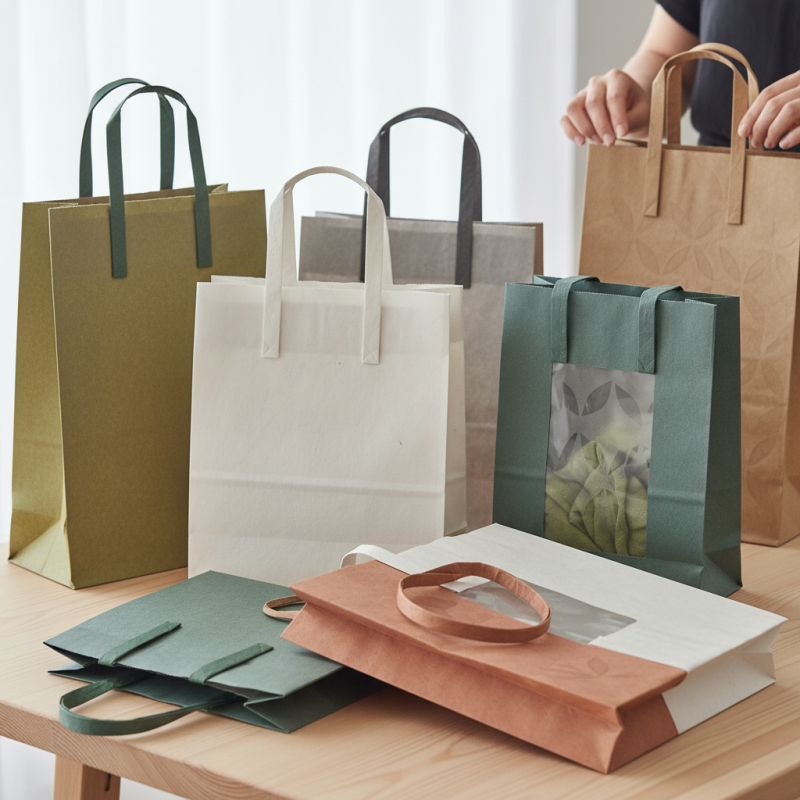
As sustainability becomes a focal point for brands, "Carrier Paper Bags" are experiencing innovative changes. Mark Turner, an expert in packaging solutions, stated, "The rise of eco-friendly materials is reshaping our industry." In 2026, these bags will reflect a blend of functionality and design.
Buyers must stay informed about the latest trends. Eco-conscious consumers are demanding products that support their values. Brands are moving towards recyclable, biodegradable, and stylish carrier options.
However, the evolution of "Carrier Paper Bags" poses challenges. There's a balance to strike between aesthetics and practicality. Additionally, some manufacturers may sacrifice quality for cost. Awareness is essential for buyers to choose the best options. This evolving landscape invites constant reflection on what truly meets consumer needs.
As we look ahead to 2026, the landscape of carrier paper bags is evolving rapidly. Emerging materials are playing a key role in this transformation. Biodegradable and compostable options are gaining popularity, driven by a push for sustainability. These materials break down naturally, reducing landfill waste. They are made from renewable resources, providing an eco-friendly choice for consumers and businesses alike.
Recycled content is another trend rising in prominence. It addresses environmental concerns while offering effective functionality. These bags maintain strength without compromising quality. There’s also a shift toward using water-based inks and coatings. These alternatives minimize harmful chemicals. Though appealing, they may require adjustments in printing processes.
There's still a need for improvement in durability and performance. Some biodegradable bags struggle under heavy loads. This presents challenges for retailers seeking reliable solutions. The push for sustainability must balance usability and environmental impact. Buyers must remain vigilant in assessing these new materials. Understanding both potential and limitations is essential for making informed choices.
Sustainable manufacturing practices are transforming the carrier paper bag industry. Many manufacturers are adopting eco-friendly materials. This shift reduces environmental impact. It’s becoming essential for buyers to understand these practices.
Recycled fibers are now a common choice. These fibers significantly reduce waste. Some companies focus on local sourcing. This helps lower their carbon footprint while supporting local economies. However, not all manufacturers adhere to these sustainable practices. Some still rely on outdated methods that harm the environment.
Transparency in sourcing and production is key. Consumers demand to know the origins of their products. Engaging in sustainable practices can be a challenge for some firms. It requires investment and commitment. Nonetheless, those willing to adapt can gain a competitive edge in the market. As the demand for eco-friendly products grows, buyers must stay informed. Consumers often feel uncertain about the impact of their purchases. Suppliers must work harder to communicate their sustainability efforts effectively.
In 2026, carrier paper bags are poised for significant design innovations. The push for sustainability has driven brands to rethink their packaging solutions. According to a recent market report, the global paper bag market is projected to grow by 4.3% annually until 2026. This trend is influenced heavily by consumer demand for eco-friendly alternatives.
New designs emphasize functionality and aesthetics. Many designers are experimenting with unique shapes and sizes, making bags more versatile. For instance, foldable and reusable designs are gaining traction. Relevant studies indicate that 78% of consumers prefer packaging that is both stylish and sustainable. Additionally, custom printing options allow brands to enhance visual appeal without sacrificing their environmental pledge.
However, there are challenges. While innovative designs are attractive, they must also remain practical and cost-effective. Balancing aesthetics with usability is crucial. The failure of some designs to meet these criteria has raised concerns about sustainability claims. As brands navigate this evolving landscape, continuous feedback from consumers will be essential. Adapting to preferences while ensuring eco-credibility will be a critical aspect of future innovations.
The landscape of carrier paper bags is evolving. Consumers are increasingly conscious of their choices. They seek bags that reflect their values, like sustainability and style. This shift drives demand for eco-friendly materials. People want bags made from recycled paper and biodegradable options.
Design also matters. Color, texture, and functionality play critical roles. Shoppers appreciate unique designs that stand out. Many prefer bags with sturdy handles for practical use. There’s a growing interest in custom prints that showcase personal style. Yet, this trend can lead to overconsumption. It is essential to balance aesthetic appeal with environmental impact.
Despite these preferences, some challenges persist. Not all manufacturers are equipped to meet the demand. There’s a gap between production capabilities and consumer expectations. Quality control remains an issue for some providers. Buyers should consider these factors when choosing suppliers. The future of carrier paper bags hinges on understanding consumer desires and addressing these real-world challenges.
The carrier paper bags market is undergoing significant transformations as we move towards 2026. According to industry reports, this sector is projected to witness a steady growth rate of approximately 4.5% annually. Sustainability is driving demand. Consumers increasingly prefer eco-friendly alternatives over plastic options. This shift impacts purchasing decisions across various demographics.
One interesting trend is the rise of innovative designs and functionalities in paper bags. Bags that offer both aesthetic appeal and practical features, such as reinforced handles and water-resistance, are gaining traction. Reports indicate that 30% of buyers now seek design and functionality in their paper bag choices.
**Tip:** When selecting paper bags, consider your target audience. Tailor the design to meet their preferences.
Additionally, the trend of custom branding is notable. Businesses are moving towards creating personalized bags that reflect their identity. This not only enhances brand visibility but fosters customer loyalty. Brands can leverage this underutilized strategy to stand out in a competitive market.
**Tip:** Evaluate your branding needs. Invest in paper bags that align with your brand image.
As we look ahead, staying informed about these trends is crucial for all stakeholders in the industry. Understanding consumer preferences will shape production strategies. It’s essential to adapt to these changes to remain relevant.
This chart showcases the projected growth trends in different types of carrier paper bags for 2026, highlighting the market demands based on consumer preferences.
: Key trends include sustainability, innovative designs, and custom branding. Eco-friendliness drives consumer choices.
Consumers are increasingly aware of environmental issues. Eco-friendly options are becoming a priority in purchasing decisions.
Popular features include unique shapes, reinforced handles, and water-resistance. Many prefer functional and stylish options.
Brands can create personalized bags that reflect their identity. This can enhance visibility and foster customer loyalty.
Brands must balance aesthetics with practicality. Some designs fail to meet both, raising concerns about credibility.
Continuous consumer feedback is vital. It helps brands adapt to preferences and maintain eco-credibility.
Consider the target audience and tailor designs accordingly. This can improve acceptance and satisfaction.
Yes, the market is projected to grow by about 4.5% annually until 2026. Sustainability is a major factor in this growth.
Reports indicate that 30% of buyers look for both design and functionality in their paper bag choices.
Some designs lack practical usability despite their attractive aesthetics. This is a crucial area for improvement.
The article "Top Carrier Paper Bags Trends for 2026 What Buyers Should Know" explores the evolving landscape of carrier paper bags, focusing on key trends and insights that will shape their future. Emerging materials are set to redefine carrier paper bags, incorporating eco-friendly options that enhance sustainability. Alongside this, innovative manufacturing practices are being adopted, significantly impacting the environmental footprint of production processes.
Design innovations are also highlighted, showcasing creative aesthetics that cater to modern consumer preferences. As buyers become more conscious of sustainability, their preferences are increasingly influencing the market dynamics. Overall, the article provides a comprehensive overview of market trends and forecasts for carrier paper bags in 2026, emphasizing the importance of adaptability in a rapidly changing retail environment.

Judi Packaging