China’s wine packaging sector has become a practical sourcing destination for retailers, wineries, hotels, and corporate gift suppliers. This guide examines China’s top 10 Wine Bottle Gift Bag manufacturers through product quality, material options, printing capability, production experience, and export reliability. The review considers paper, cotton, jute, linen, felt, and reusable fabric bags. Small details matter. A reinforced handle, smooth stitching, and accurate bottle dimensions can prevent embarrassing delivery failures.
Wine business expert Liz Thach, MW, has stated, “Packaging is one of the most important marketing tools for wine.” Her observation explains why a Wine Bottle Gift Bag should do more than protect glass. It should support branding, create a thoughtful opening experience, and match the wine’s market position. A matte black bag may suit a premium Cabernet, while textured kraft paper can feel more natural for an organic label.
This overview also looks at customization, including logos, ribbons, inserts, closures, and low-volume orders. It considers practical issues such as sample approval, color consistency, packaging tests, and communication speed. Factory photographs can be useful, but they are not proof of dependable performance. Ask for samples. Check the seams. Test the handle with a full bottle.
No ranking is perfect. Supplier capabilities may change, and attractive pricing can hide inconsistent finishing. Buyers should confirm certifications, payment terms, lead times, and shipping arrangements independently. The manufacturers discussed here offer a useful starting point, not a substitute for careful supplier verification.
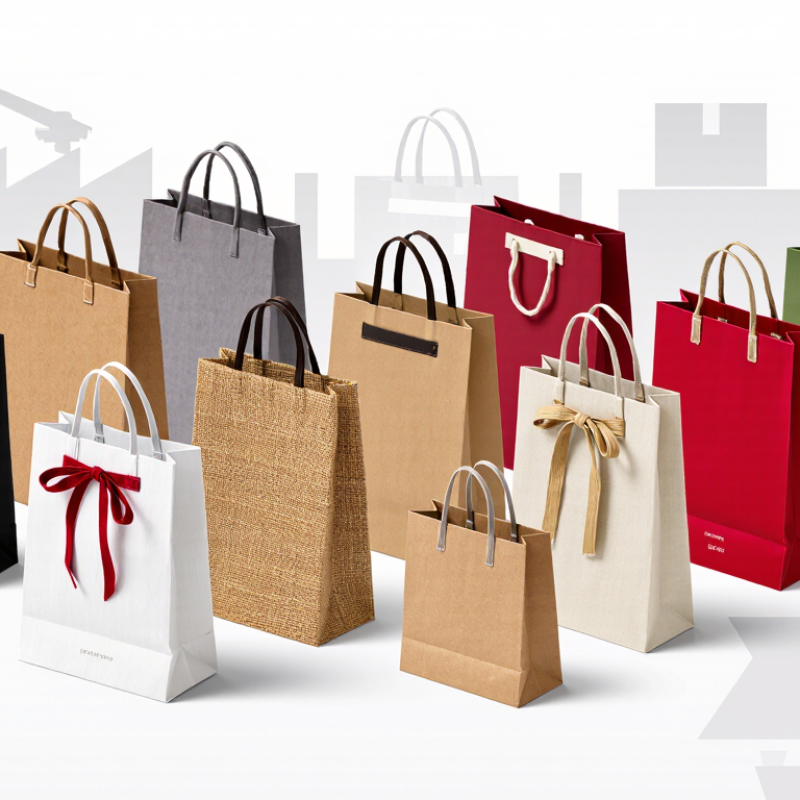
China’s wine bottle gift bag industry is part of a much larger packaging economy. China Packaging Federation statistics placed the country’s packaging industry revenue above RMB 1.1 trillion in 2023. This figure covers many packaging categories, not gift bags alone. Still, it shows the depth of China’s material and converting supply chain.
Manufacturers commonly produce paper, cotton, jute, felt, and laminated bags. Production clusters in coastal provinces benefit from nearby textile, printing, and accessory suppliers. Export buyers can request reinforced handles, bottle dividers, foil stamping, and custom dimensions. The OIV’s State of the World Vine and Wine Sector 2023 reported China’s wine consumption at about 6.8 million hectolitres in 2023. Demand has softened, but gifting occasions still support smaller, customized orders. That balance matters. Large volume is not guaranteed.
Ask for a material specification sheet, pre-production sample, and batch inspection record. Check handle strength with a filled bottle, not an empty sample. Also verify paper sourcing claims through recognized certification documents. A supplier may describe a bag as “eco-friendly” without providing measurable recycled content. This is an easy point to miss. Buyers should compare stitching, odor, print accuracy, and moisture resistance across three samples. Supplier websites can help, but they are not independent evidence. A factory audit, clear tolerances, and written packaging requirements provide stronger protection.
Choosing a Chinese wine bottle gift bag manufacturer requires more than comparing online prices. I examine material samples, stitching, printing accuracy, and factory communication. A reliable supplier should explain paper weight, fabric density, handle strength, and production limits clearly. Vague answers often create problems later.
Request a physical sample before confirming bulk production. Check whether the bottle fits securely without excessive movement. Test the handle with a filled bottle, not an empty one. Inspect the seams, bottom reinforcement, lining, and closure several times. Small defects become expensive when thousands of bags arrive. I also ask for recent quality records, material test reports, and relevant production certifications. Documents matter, but factory behavior matters more.
Visit the workshop when possible, either personally or through an independent inspection service. Observe cutting, printing, assembly, packing, and storage conditions. Ask how defective pieces are separated and replaced. Confirm minimum order quantities, sample fees, lead times, packaging details, and payment terms in writing. A low quotation may exclude tooling, freight, or rework charges. That part is easy to miss.
Communication deserves careful attention. Can the supplier understand a revised drawing? Do they report delays early? Are answers consistent across sales and production teams? I have learned that even experienced buyers can overlook color variation between samples and bulk goods. Leave room for correction. A dependable manufacturer welcomes clear specifications, realistic deadlines, and documented inspections.
China’s Top 10 Wine Bottle Gift Bag Manufacturers
China’s leading wine bottle gift bag manufacturers compete through materials, structure, and production control. The strongest suppliers usually offer coated paper, kraft paper, recycled board, and fabric handles. They also support custom sizing for 750 ml bottles, heavier glass, and two-bottle sets. This matters because OIV’s 2024 report recorded global wine consumption at about 221 million hectolitres in 2023, the lowest level since 1996. Gift packaging must therefore create stronger shelf appeal without excessive cost.
When comparing the top ten manufacturers, examine factory audits, sample accuracy, printing tolerance, and monthly capacity. Ask for GSM data, handle pull-test results, carton compression details, and packaging photographs from real production lines. Smithers’ packaging research identifies sustainability and fiber-based formats as continuing market priorities. Recycled content is useful, but vague claims need verification. I have seen attractive samples fail during humid warehouse storage. That lesson is easy to overlook.
Tips: Request a pre-production sample before placing a bulk order. Confirm whether quoted prices include printing plates, inserts, export cartons, and inspection fees. Choose water-based coatings when practical, and test the bag with the actual bottle. A lower unit price may hide weaker handles, uneven color, or higher replacement costs. Ten suppliers can look similar online. Their production discipline rarely is.
| Rank | Main Production Area | Primary Materials | Compatible Bottle Sizes | Closure Options | Decoration Methods | Typical MOQ | Typical Lead Time | Sustainability Options | Common Export Markets |
|---|---|---|---|---|---|---|---|---|---|
| 1 | Zhejiang | Paper, coated paper, cotton rope | 375 ml–1.5 L | Ribbon, drawstring, magnetic flap | Offset printing, foil stamping, embossing | 500–1,000 pcs | 15–25 days | Recycled paper, water-based ink, reusable fabric handles | Europe, North America, Australia |
| 2 | Guangdong | Rigid paperboard, kraft paper, textile | 500 ml–1.5 L | Handle, ribbon, hinged lid | Digital printing, UV coating, debossing | 1,000 pcs | 18–30 days | FSC-certified paper, plastic-free packaging | Southeast Asia, Middle East, Europe |
| 3 | Jiangsu | Kraft paper, linen, corrugated board | 375 ml–750 ml | Twisted paper handle, ribbon | Flexographic printing, screen printing | 1,000–3,000 pcs | 12–22 days | Unbleached kraft paper, soy-based ink | Asia-Pacific, North America |
| 4 | Fujian | Cotton canvas, jute, paper | 500 ml–1.5 L | Drawstring, cord handle, button flap | Embroidery, transfer printing, woven labels | 500 pcs | 20–35 days | Organic cotton, recycled textile, natural fiber | Europe, Japan, South Korea |
| 5 | Shandong | Kraft paper, corrugated board, jute | 375 ml–1.5 L | Paper handle, rope handle, open top | Flexographic printing, stamping | 2,000 pcs | 15–28 days | Recyclable paperboard, low-ink coverage designs | Central Asia, Europe, North America |
| 6 | Anhui | Paperboard, non-woven fabric, cotton | 500 ml–750 ml | Ribbon, folded handle, drawstring | Offset printing, hot stamping | 1,000 pcs | 18–30 days | Recycled board, recyclable non-woven fabric | Domestic China, Southeast Asia |
| 7 | Hebei | Kraft paper, corrugated paper, felt | 375 ml–1.5 L | Rope handle, paper handle, tuck flap | Flexographic printing, laser cutting | 2,000–5,000 pcs | 15–25 days | Recycled kraft paper, water-based adhesive | Eastern Europe, Africa, Asia |
| 8 | Shanghai | Premium paperboard, linen, leatherette | 500 ml–1.5 L | Magnetic closure, ribbon, rigid lid | Foil stamping, embossing, spot UV | 300–1,000 pcs | 25–40 days | FSC-certified board, recycled synthetic leather | Europe, North America, Middle East |
| 9 | Hubei | Paper, cotton, non-woven fabric | 375 ml–750 ml | Drawstring, ribbon, paper handle | Screen printing, digital printing | 1,000–3,000 pcs | 18–28 days | Recycled cotton, biodegradable packaging materials | Southeast Asia, Africa, Europe |
| 10 | Jiangxi | Kraft paper, bamboo fiber paper, jute | 375 ml–1.5 L | Rope handle, drawstring, tuck flap | Offset printing, embossing, natural-fiber decoration | 1,000–3,000 pcs | 20–32 days | Bamboo fiber paper, recycled kraft paper, soy ink | Asia-Pacific, Europe, North America |
Note: Specifications such as minimum order quantity, production lead time, materials, and export coverage vary by order size, design complexity, season, and production requirements.
China Top 10 Wine Bottle Gift Bag Manufacturers: Comparing Materials, Designs, Pricing, and Customization Options
When comparing Chinese wine bottle gift bag manufacturers, material choice affects appearance, strength, and shipping cost. Cotton and canvas feel premium, while nonwoven fabric offers a lower-cost option for larger promotions. Kraft paper suits simple retail packaging, but moisture can weaken its structure. Recycled PET fabric provides a modern alternative with good durability. Ask for fabric weight, stitching details, handle strength, and colorfastness before placing an order.
Design decisions often influence the final price more than expected. A single-bottle bag with a flat base is usually economical. A reinforced bottom, rope handle, lining, or double-bottle structure requires more labor. Printing may include screen printing, heat transfer, embroidery, or full-surface digital printing. Each method creates a different texture and minimum order requirement. A small logo can look elegant. Too many details may reduce clarity.
Pricing should be judged against quantity, packaging, printing, and shipping terms. Sample costs may be higher than production costs because setup fees are concentrated in one piece. Request a clear quotation with material specifications and tolerance levels. Check whether the factory provides pre-production samples and load testing. Experience shows that attractive samples can hide weak seams. I once underestimated handle reinforcement, and the finished bags felt less reliable than expected. That mistake still matters. Customization should improve function, not merely add decoration.
Comparing Materials, Designs, Pricing, and Customization Options
This normalized benchmark uses a 1–10 scale based on commonly quoted wholesale specifications: material quality, design flexibility, price competitiveness, and customization capability. Higher scores indicate stronger performance; pricing competitiveness reflects better value rather than a higher price.
Choosing among China’s top 10 wine bottle gift bag manufacturers requires more than comparing catalog photos. The OIV’s 2024 report recorded global wine consumption at about 221 million hectolitres in 2023. That scale creates steady demand for protective, attractive packaging. Your selected supplier should therefore prove production capacity, not just offer a low quotation.
Request samples before signing. Check paper weight, handle strength, bottle fit, print accuracy, and moisture resistance. A 750 ml bottle can exceed one kilogram, so test every bag with repeated lifting. Ask for factory audit records, quality procedures, material certificates, and export experience. Packaging sustainability also matters. Smithers’ sustainable packaging research identifies recyclable materials and reduced material use as continuing market priorities. Kraft paper, recycled board, and water-based inks may support these goals, but verify their actual composition.
Tips: Build a comparison sheet for the ten manufacturers. Score quality, minimum order quantity, tooling fees, delivery time, communication, and defect handling. Ask for a pre-production sample. Confirm whether replacement terms are written clearly. Do not choose the cheapest quotation automatically. In sourcing practice, hidden costs often appear through weak handles, color variation, or delayed corrections. I may be overly cautious here, but one attractive sample cannot represent an entire production batch. A reliable manufacturer welcomes inspection, explains limitations, and provides measurable quality standards.
Common choices include coated paper, kraft paper, recycled board, and fabric handles. Kraft feels practical. Verify recycled content before ordering.
Yes, many suppliers customize dimensions for 750 ml bottles, heavier glass, and two-bottle sets. Measure the actual bottle. Do not rely only on standard templates.
Load the bag with the intended bottle and lift it repeatedly. Check the handle attachment, bottom fold, and paper tearing. A single lift proves little.
Request a pre-production sample matching the final paper, printing, handle, and structure. Compare it with the approved artwork. Small differences can become expensive.
Ask for material certificates, factory audit records, quality procedures, and production photographs. Request GSM data and handle pull-test results. Clear evidence matters.
Compare the printed sample with approved artwork under consistent lighting. Check color variation, edge alignment, and surface coating. Some tolerance is unavoidable. It should still be controlled.
Confirm whether prices include printing plates, inserts, export cartons, inspections, and replacement handling. A cheap quotation may hide weak handles or correction delays. That is easy to miss.
Test the bag in realistic humid storage conditions before bulk production. Water-based coatings and reduced material use may support sustainability goals. Claims still need verification. I may be overly cautious.
China’s wine bottle gift bag manufacturing industry offers a wide range of solutions for retailers, wineries, promotional agencies, and event planners. This article explores the industry’s production capabilities, including paper, cotton, jute, nonwoven, and reusable materials, while explaining how to evaluate manufacturers based on product quality, production capacity, certifications, communication, lead times, and export experience. It also presents a carefully selected overview of China’s top 10 Wine Bottle Gift Bag manufacturers without focusing on brand promotion.
In addition, the article compares material choices, structural designs, printing methods, pricing levels, minimum order quantities, and customization options. Readers will learn how to assess samples, confirm packaging requirements, control costs, and select a reliable manufacturing partner according to their target market, order volume, sustainability goals, and branding needs. The guidance is designed to support informed purchasing decisions and long-term cooperation.

Judi Packaging