When it comes to gifting wine, presentation matters as much as the bottle itself. A well-crafted Wine Gift Bag adds elegance and charm. In recent years, China has emerged as a leader in producing high-quality wine gift bags that cater to global buyers. These bags combine attractive designs with durable materials, making them perfect for any occasion.
Choosing the right Wine Gift Bag can enhance the gifting experience. The market offers a variety of options, from classic styles to contemporary designs. Many bags feature intricate patterns, vibrant colors, and eco-friendly materials. However, not every option available is of the same quality. Buyers must navigate a sea of choices to find reliable suppliers.
This growing industry reflects a blend of artistry and functionality. While many companies strive for excellence, some products may fall short. It’s essential for buyers to seek bags that meet their specific needs. Researching suppliers and comparing samples can ensure a satisfactory purchase. As with any gift, the perfect Wine Gift Bag enhances the moment of giving.
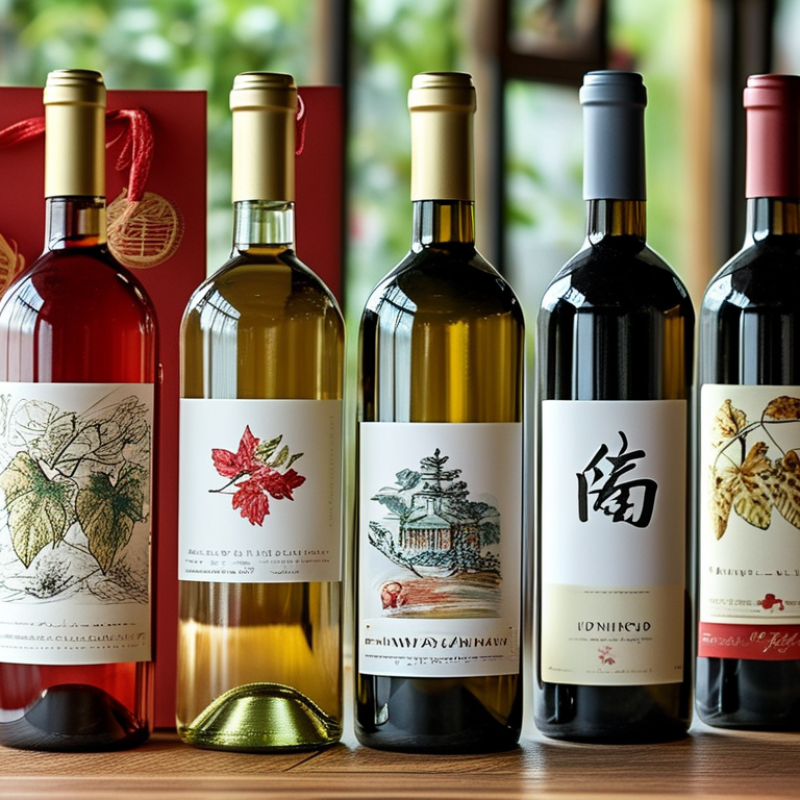
Top Quality Wine Gift Bags from China: An Overview
When it comes to wine gift bags,
China stands out in the global market.
These bags come in various materials and designs. Whether it’s eco-friendly jute or elegant silk,
each option serves a unique purpose. Many buyers appreciate the diverse styles available.
Customization is a significant trend
in this industry. Each bag tells a story, enhancing the wine gift experience.
However, quality control can be inconsistent. Not all suppliers meet the same standards.
Buyers must conduct thorough research. Look for manufacturers with experience and a solid reputation.
It's crucial to ensure that the bags not only look good but also provide adequate protection
for the wine bottles. An attractive design is vital, but functionality cannot be overlooked.
Buyers often face challenges in communication. Language barriers can lead to misunderstandings.
Clear specifications help mitigate these issues.
Additionally, not all suppliers provide reliable shipping options. It’s wise to seek recommendations
from trusted sources. This can lead to better partnerships
and higher quality products. Understanding these nuances can foster
long-lasting relationships in the wine gifting industry.
Key Materials Used in Wine Gift Bags Manufacturing
When it comes to wine gift bags, the choice of materials plays a crucial role in both aesthetics and functionality. High-quality wine bags often utilize non-woven fabric, which is both lightweight and durable. This material provides a soft feel, making the bags pleasant to hold. However, its environmental impact is a consideration. Recycled materials can help address this, offering a better option for eco-conscious consumers.
Another popular material is kraft paper, which is known for its sturdiness. Kraft paper bags can be beautifully designed, adding a touch of elegance. Their natural look appeals to buyers who prefer rustic aesthetics. The challenge here is ensuring that the paper is both strong enough to support heavy bottles and visually appealing.
Some manufacturers also explore options like satin and velvet. These materials add a luxurious touch to the gift presentation. Yet, they can be more costly and require careful handling to avoid wear and tear. Balancing quality with cost can be tricky for buyers. Each material has advantages and disadvantages, making it essential for global buyers to choose wisely. They must weigh factors like durability, cost, and environmental sustainability.
Material Composition in Wine Gift Bag Manufacturing
Design Trends in Chinese Wine Gift Bags for Global Markets
The wine gift bag market in China is evolving rapidly. Designers are responding to global trends while incorporating traditional elements. This blend creates unique products that appeal to diverse consumers. Modern shoppers often seek sustainability in packaging. Eco-friendly materials are becoming more common, reflecting a broader consumer preference.
Color palettes are also shifting. Classic burgundy and gold are now joined by bold colors. Bright hues attract younger buyers. Patterns and textures offer a tactile experience, making gift bags more appealing. However, amid these innovations, there’s often a disconnect. Some designs may lack cultural relevance for international markets. This gap can hinder their success.
Artwork and messaging must resonate. Cultural symbols should be carefully integrated. Not every design appeals universally, and feedback is crucial. Iteration is part of the design process, and sometimes, what seems trendy can miss the mark. It's a balancing act, where creativity meets market analysis. Understanding the target audience remains essential for success.
Factors to Consider When Sourcing Wine Gift Bags from China
When sourcing wine gift bags from China, buyers should consider several critical factors. The first is material quality. Wine bags can be made from various materials, including paper, fabric, and biodegradable options. According to a recent industry report, 35% of buyers prioritize eco-friendly materials. As global demand for sustainable products increases, sourcing from manufacturers that use recycled materials can enhance brand reputation.
Another essential factor is supplier reliability. Industry data indicates that 40% of buyers experience issues with delivery and product consistency. It’s crucial to vet suppliers thoroughly. Check reviews and ask for samples before placing bulk orders. Clear communication about lead times and quality standards is vital to avoid potential pitfalls.
Lastly, understanding market trends can influence your choices. The wine gift bag market is projected to grow at a compound annual growth rate (CAGR) of 6.5% over the next five years. This insight suggests a rising demand for innovative designs and customized options. Buyers must be proactive in exploring new styles that appeal to evolving consumer preferences. Balancing cost with quality and style is a continuous challenge.
Sustainability and Eco-Friendly Options in Wine Gift Bags Production
In recent years, the demand for sustainable wine gift bags has surged among global consumers. Many buyers are now looking for bags made from eco-friendly materials. This shift reflects a growing awareness of environmental issues. Businesses are adapting by using recycled paper and biodegradable materials in their production processes.
The production of wine gift bags in China offers various options for sustainability. Despite challenges related to sourcing materials, many manufacturers are committed to eco-friendly practices. They strive to balance quality with environmental responsibility. However, not all products meet high standards. Consumers must be vigilant, ensuring that their purchases align with their sustainability values.
Choosing sustainable wine gift bags can also influence brand perception. Eco-conscious consumers appreciate brands that prioritize the environment. This choice can enhance customer loyalty and attract new buyers. Yet, the industry still faces obstacles, such as higher costs and limited availability of certain materials. Addressing these challenges is essential for further growth in eco-friendly wine packaging.
FAQS
: Wine gift bags can be made from paper, fabric, and biodegradable materials. Eco-friendly options are increasingly popular.
Consumers are more aware of environmental issues today. Eco-friendly bags enhance brand reputation and attract conscientious buyers.
It's vital to vet suppliers, check reviews, and ask for samples. Clear communication about quality standards is essential.
Bright colors are gaining popularity, appealing particularly to younger consumers. Classic colors still have their place but are evolving.
Sourcing eco-friendly materials can be difficult. Higher costs and limited availability are obstacles manufacturers must navigate.
Cultural symbols should be integrated carefully into designs. Some may miss the mark in international markets, leading to disconnect.
Understanding evolving consumer preferences is key. The market for gift bags is projected to grow, so adaptability is crucial.
Iteration based on feedback is essential. What seems trendy may not always resonate, and improvements can enhance market fit.
Eco-conscious choices can create customer loyalty. Brands that prioritize sustainability are often more appealing to consumers.
The market is expected to grow at a CAGR of 6.5% over the next five years, indicating rising demand for innovative designs.
Conclusion
The article explores the burgeoning market for high-quality Wine Gift Bags produced in China, emphasizing their significance for global buyers. It begins with a comprehensive overview of the various types of bags available, highlighting the key materials used in their manufacturing, such as fabric, paper, and eco-friendly options. The article further delves into current design trends that cater to international aesthetics, making these bags not only functional but also visually appealing.
When sourcing Wine Gift Bags from China, readers are urged to consider multiple factors, including quality, customization options, and supplier reliability. Additionally, the article emphasizes the importance of sustainability, showcasing eco-friendly production methods that are gaining traction among environmentally conscious consumers. Overall, the piece serves as a guide for those looking to invest in premium Wine Gift Bags while being mindful of design and sustainability trends in the industry.

 Judi Packaging