China Top 10 Small Paper Bag Suppliers?

Time:2026-09-13 Author:Mason
0%

Choosing the right Small Paper Bag supplier in China requires more than comparing catalog photos and quoted prices. This guide introduces ten suppliers that may deserve attention for retail packaging, food service, events, and brand promotion. The selection focuses on production experience, material options, printing capability, quality controls, export communication, and customization flexibility. Price matters, but it should not lead the decision.

A dependable supplier should explain paper weight, bag dimensions, handle construction, folding methods, and printing limits clearly. Samples can reveal details that online images hide. Check the handle joints, bottom strength, surface texture, ink sharpness, and odor before placing a large order. Ask whether the factory manages production directly or uses outside workshops. That distinction may affect consistency and delivery control.

No list is perfect. Supplier performance can change with equipment, staffing, raw materials, and seasonal demand. Buyers should confirm current certifications, production capacity, minimum order quantities, packaging methods, and shipping terms independently. Request a recent sample. Compare it with the approved specification.

The following overview is designed as a practical starting point, not a final purchasing decision. It combines common sourcing considerations with a careful review of supplier capabilities. Some companies may fit premium branding, while others may suit simple, cost-sensitive packaging. Your product, budget, market, and delivery schedule still matter most. Good sourcing takes patience. Small details often decide the result.
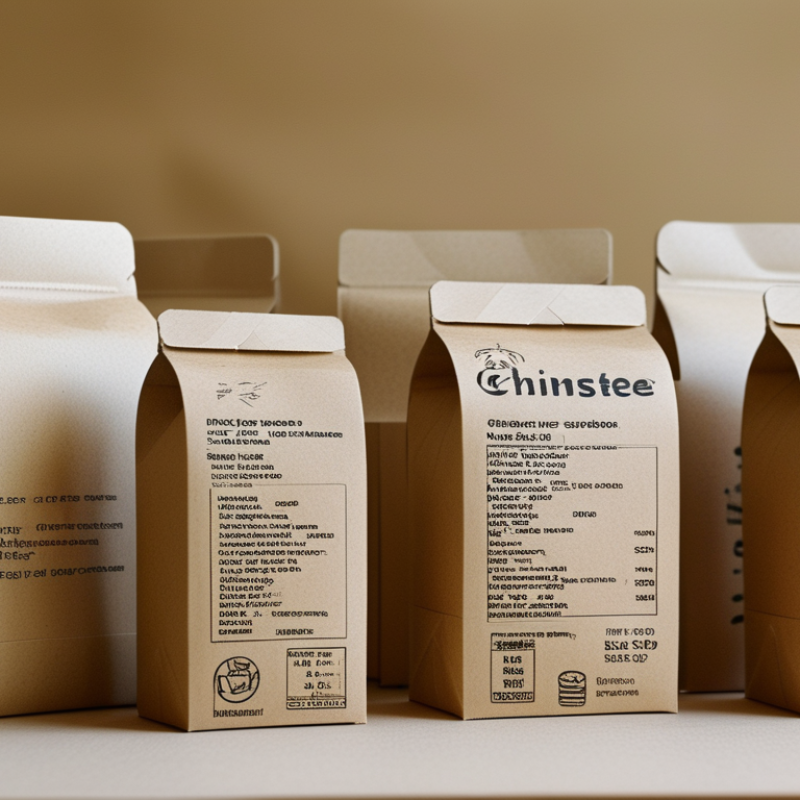
China Top 10 Small Paper Bag Suppliers?

What Defines a Reliable Small Paper Bag Supplier in China

A reliable small paper bag supplier in China should prove quality before discussing large orders. In practical sourcing work, I would request samples in the exact size, paper weight, handle style, and printing finish. A bag may look attractive on a screen, yet feel weak in the hand. Small details matter. Check whether the bottom folds cleanly and whether the handles remain secure after repeated lifting.

Experienced suppliers usually provide clear material specifications. These may include paper type, GSM, dimensions, coating, ink information, and packing quantities. They should explain which options suit clothing, takeaway food, gifts, or retail products. Food-contact packaging requires extra care and appropriate documentation. A serious supplier will also share production photographs, quality-control records, and realistic lead times. Vague answers are warning signs.

Communication reveals reliability. Can the supplier confirm artwork files, color references, and carton markings without repeated confusion? During production, request pre-shipment photos and random quantity checks. A small trial order is often wiser than trusting a polished catalogue. I once treated a low quotation as a strong advantage; later, the thinner paper changed the bag’s shape. That mistake was avoidable. Price still matters, but consistency, inspection access, and honest problem reporting matter more. A dependable supplier should accept reasonable feedback, correct defects transparently, and keep the agreed specifications unchanged.

How China’s Top 10 Small Paper Bag Suppliers Are Selected

How China’s Top 10 Small Paper Bag Suppliers Are Selected

Selecting China’s top ten small paper bag suppliers requires more than comparing online catalogs. A reliable review begins with factory evidence, product samples, and communication records. Inspectors examine paper weight, bag dimensions, fold accuracy, handle strength, printing clarity, and adhesive performance. A 120 gsm sample may look attractive, yet tear when carrying a glass jar. Small details matter.

The selection process also considers production capacity, quality controls, environmental documentation, and delivery consistency. Suppliers receive higher scores when they explain material sources clearly and provide traceable inspection reports. Sample orders reveal practical ability. They show whether printed colors match approved artwork and whether packed bags arrive without crushed corners. Response speed matters, but careful answers matter more. Pricing is reviewed alongside waste rates, minimum order quantities, tooling costs, and payment terms.

No ranking is permanent. Market conditions change, and one supplier may perform differently during a busy season. A factory can produce excellent samples but miss deadlines later. That weakness should remain visible in the evaluation. Buyer feedback, repeat-order records, and independent audits help reduce personal bias. Still, some judgments involve uncertainty. The best selection method admits that limitation and updates scores when new evidence appears. This approach creates a more useful list for retailers, event planners, and packaging buyers seeking consistent small paper bags.

China Top 10 Small Paper Bag Suppliers

How China’s Top 10 Small Paper Bag Suppliers Are Selected

The chart presents a practical supplier-screening framework based on common packaging procurement priorities. Product quality and compliance receive the highest weighting, followed by customization, production capacity, sustainability, and export logistics. The percentages represent evaluation weights rather than data from any individual company or brand.

Product Types and Customization Options Offered by Leading Suppliers

China Top 10 Small Paper Bag Suppliers?

Leading Chinese suppliers usually cover kraft paper bags, coated paper bags, gift bags, bakery bags, and takeaway formats. Small bags may hold jewelry, cosmetics, samples, snacks, or lightweight retail items. A reliable supplier should explain paper weight, handle strength, coating, and production limits clearly. I have found that paper choice often matters more than appearance. Thin paper can look elegant, yet it may crease around sharp products. That detail is easy to miss.

Customization often starts with dimensions, paper color, and handle style. Options include twisted paper handles, flat handles, cotton rope, ribbon, and die-cut grips. Suppliers may also offer matte or glossy lamination, water-based coating, embossing, foil accents, spot color, and full-surface printing. Recycled and certified paper can support a responsible packaging plan, but certification claims need verification. Ask for valid documents, not only a catalog statement. Samples should be tested with the actual product. A bag that survives an empty-hand inspection may fail under repeated carrying. Looks can mislead.

For small orders, digital printing may reduce setup costs, while offset printing supports stronger color consistency at larger volumes. Some factories provide window patches, reinforced bases, inner tissue, and custom inserts. Production files should confirm bleed, logo placement, barcode clarity, and color references. Request a pre-production sample and written tolerance ranges. Measurements can vary slightly. This is where many buying plans become unrealistic. Delivery estimates should include sampling, material approval, production, and inspection time. Clear communication with technical staff is more useful than polished sales language.

Manufacturing Quality, Materials, and Sustainability Standards

China’s top 10 small paper bag suppliers should be judged beyond price and production speed. Manufacturing quality begins with stable paper weight, accurate dimensions, and clean folding lines. A reliable factory checks each batch for handle strength, seam adhesion, print clarity, and moisture resistance. Samples should survive repeated carrying, not merely look attractive on a display table.

Materials reveal a supplier’s real expertise. Kraft paper, recycled paper, and mixed-fiber stock offer different levels of stiffness and tear resistance. Buyers should request fiber details, paper thickness, recycled content, and applicable certifications. Water-based inks and recyclable adhesives can reduce environmental impact. However, “eco-friendly” is not a technical standard. Ask for test reports and traceable documentation.

Sustainability also depends on factory operations. Strong suppliers measure paper waste, reuse production scraps, and control energy and water consumption. Packaging should avoid unnecessary plastic layers. An on-site audit can reveal practical details, such as dusty storage areas or poorly protected paper rolls. Small defects matter.

No supplier is perfect. Some factories may provide excellent bags but incomplete environmental records. Others may hold certifications yet struggle with consistent finishing. A balanced assessment should compare samples, quality controls, labor practices, delivery history, and corrective action procedures. The best choice is not always the cheapest. It is the supplier that can prove performance clearly and improve when problems appear.

China Top 10 Small Paper Bag Suppliers? - Manufacturing Quality, Materials, and Sustainability Standards

Anonymous supplier capability profiles based on commonly specified Chinese paper-bag manufacturing practices and internationally recognized material, quality, and environmental standards.

Rank Anonymous Supplier Profile Typical Small-Bag Formats Common Paper Materials Typical Basis Weight Manufacturing Quality Controls Relevant Sustainability Standards Suitable Applications
01 Profile A — premium printed paper-bag manufacturer Flat-handle and twisted-cord handle bags Virgin kraft, coated art paper, recycled kraft 100–250 gsm Incoming paper inspection, color proofing, handle pull testing, seam and bottom-glue inspection FSC Chain of Custody where certified; ISO 9001; recyclable paper construction Retail, cosmetics, fashion, gift packaging
02 Profile B — kraft shopping-bag specialist SOS bags, pinch-bottom bags, reinforced-handle bags Brown or white kraft paper; recycled-content kraft 70–180 gsm Basis-weight checks, moisture control, dimensional inspection, compression and load testing FSC or PEFC material options; ISO 14001 where implemented; recyclable mono-paper design Food takeaway, supermarkets, general retail
03 Profile C — boutique and luxury packaging producer Rigid-base bags, ribbon-handle bags, laminated presentation bags 250–350 gsm art paper, kraft board, textured paper 170–350 gsm Pantone or digital color matching, surface-finish inspection, fold-line accuracy, handle anchoring tests FSC-certified paper options; water-based coatings; recyclability review for laminates and accessories Luxury retail, jewelry, premium gifts
04 Profile D — custom food-service paper-bag producer Bread bags, snack bags, takeaway sacks, grease-resistant bags Food-contact kraft, grease-resistant paper, uncoated paper 40–120 gsm Food-contact documentation review, odor testing, seal inspection, migration testing when required by destination market Applicable food-contact regulations; chlorine-free or recyclable grades subject to specification; ISO 22000 may be requested Bakeries, cafés, restaurants, food delivery
05 Profile E — high-volume automated bag converter Standard flat-handle bags and machine-made takeaway bags Unbleached kraft, bleached kraft, recycled kraft 60–160 gsm Automated vision checks, statistical process control, carton count verification, burst and tensile testing ISO 9001; FSC or PEFC options; waste-paper segregation and production scrap recovery Chain retail, promotions, quick-service restaurants
06 Profile F — recycled-content paper-bag manufacturer Recycled kraft shopping bags and promotional bags Post-consumer or post-industrial recycled kraft 80–200 gsm Recycled-content verification, tear resistance, moisture conditioning, handle and bottom-strength tests FSC Recycled or equivalent verified content; recycled-paper claims documented under recognized chain-of-custody systems Eco-conscious retail, events, promotional campaigns
07 Profile G — small-batch digitally printed bag supplier Short-run branded bags, sample bags, seasonal designs White kraft, coated paper, recycled paper 100–220 gsm Artwork preflight, digital proof approval, barcode readability, print-rub and color consistency checks Water-based or low-VOC inks where available; FSC-certified stock options; recyclable paper substrates Start-ups, exhibitions, seasonal retail, sampling
08 Profile H — export-oriented paper packaging factory Retail bags, gift bags, mailer-style paper bags Kraft paper, coated paper, paperboard reinforcements 90–300 gsm Pre-production samples, AQL-based inspection, packing-list reconciliation, drop and transit checks ISO 9001; FSC or PEFC options; destination-market packaging and chemical requirements reviewed per order International retail, distributors, promotional packaging
09 Profile I — compostable-coating paper-bag producer Moisture-resistant takeaway and produce bags Kraft paper with water-based, dispersion, or certified compostable coating 45–160 gsm Coating-weight control, wet-strength testing, leakage checks, seal integrity and shelf-life validation EN 13432 or ASTM D6400 only when the complete product meets the applicable requirements; compostability certificates must be verified Produce, bakery, takeaway, organic-food packaging
10 Profile J — artisanal and specialty paper-bag workshop Hand-finished gift bags, custom shapes, event bags Textured paper, kraft, specialty paper, recycled board 120–350 gsm Manual appearance inspection, dimensional sampling, accessory attachment checks, pre-shipment sample approval Recycled or FSC-certified paper options; plastic-free handles and paper-based accessories available by specification Weddings, hospitality, boutiques, corporate events
Verification note: Certification names describe recognized standards or verification systems, not automatic claims of certification. Confirm each supplier’s current certificates, scope, test reports, food-contact compliance, recycled content, and product-specific recyclability before purchasing.

Pricing, Minimum Orders, and Export Support Compared

China’s top 10 small paper bag suppliers should be compared by more than catalogue prices. A typical quote may range from US$0.03 to US$0.25 per bag, depending on paper weight, size, handles, printing, and order volume. Prices change quickly.

Minimum orders often start near 1,000 pieces for plain bags and reach 5,000 or more for custom printing. Ask whether the quoted MOQ includes sample approval, plate charges, and packaging. A supplier offering a lower unit price may require costly setup fees. Request a written quotation with FOB or CIF terms, production time, payment stages, and carton details. Small samples reveal weak handles, uneven folds, or ink rubbing that photos cannot show.

Export support deserves equal attention. Reliable suppliers should provide commercial invoices, packing lists, carton measurements, and clear shipping coordination. Some can arrange pre-shipment inspections and send production photos before loading. Ask how they manage delayed vessels or damaged cartons. Answers matter. Fast replies are useful, but careful replies are safer. I would also check material specifications and destination requirements with the importer’s compliance team. That step is easy to overlook.

A practical comparison sheet should record price, MOQ, sample cost, lead time, export documents, and response quality. The result may not identify one perfect supplier. It should show which supplier fits your quantity, budget, and delivery risk.

FAQS

How are small paper bag suppliers evaluated?

Evaluation combines factory evidence, product samples, inspection records, and communication history. Inspectors check paper weight, dimensions, folds, handles, printing, and adhesive strength. A sample may look good but tear under a glass jar. That matters.

Which material details should buyers request?

Ask for paper thickness, fiber content, recycled percentage, and material source. Kraft, recycled, and mixed-fiber papers have different stiffness and tear resistance. Request relevant test reports and traceable documents. “Eco-friendly” alone proves very little.

How can sample orders reveal production quality?

Samples show whether colors match approved artwork and folds remain accurate. Carry filled bags several times. Check for weak handles, rubbing ink, crushed corners, and loose seams. Photos cannot show everything.

What quality controls should a factory provide?

A dependable factory should inspect each batch for weight, size, handle strength, seam adhesion, and print clarity. It should also explain corrective actions. Some explanations sound convincing but remain incomplete. Independent checks help.

What are typical prices and minimum order quantities?

Small paper bags may cost about US$0.03 to US$0.25 each. Paper weight, size, handles, printing, and volume affect pricing. Plain bags may start near 1,000 pieces. Custom printing often requires 5,000 or more.

Which costs can be hidden in a quotation?

Check sample charges, printing plates, tooling, packaging, and payment stages. A low unit price may hide expensive setup fees. Request written FOB or CIF terms. Read every line.

What export support should suppliers provide?

Suppliers should prepare commercial invoices, packing lists, carton measurements, and shipping details. Ask about pre-shipment inspections and production photos. Discuss delayed vessels and damaged cartons before placing an order. Plans may still fail.

How should buyers compare suppliers fairly?

Record price, MOQ, sample cost, lead time, documents, quality results, and response quality. Review repeat orders, buyer feedback, and independent audits. No ranking stays permanent. Busy seasons can expose missed deadlines. The best choice depends on quantity, budget, and delivery risk.

Conclusion

China’s top Small Paper Bag suppliers are distinguished by consistent product quality, dependable communication, transparent pricing, and the ability to meet both standard and customized requirements. This overview explains how reliable suppliers are evaluated, including their production capacity, quality-control systems, material selection, printing technology, and commitment to recyclable or responsibly sourced paper. It also considers whether suppliers can provide different bag sizes, handle styles, paper weights, finishes, and packaging solutions for retail, food service, events, and other everyday applications.

The comparison further examines pricing structures, minimum order quantities, sample services, production timelines, and export support. Suppliers with flexible customization, stable manufacturing processes, clear quality standards, and practical international shipping experience are generally better positioned to serve overseas buyers. By reviewing these factors together, purchasers can identify suitable partners that balance cost, durability, appearance, sustainability, and delivery reliability while reducing unnecessary risks during sourcing.

Mason

Mason

Mason is a seasoned marketing professional with a deep expertise in the company's offerings and a passion for driving brand awareness. With a strong background in digital marketing strategies, he has an innate ability to connect with diverse audiences and effectively communicate product benefits.......