Who Are the Top Paper Carrier Bag Suppliers in China?

Time:2026-10-30 Author:Mason
0%

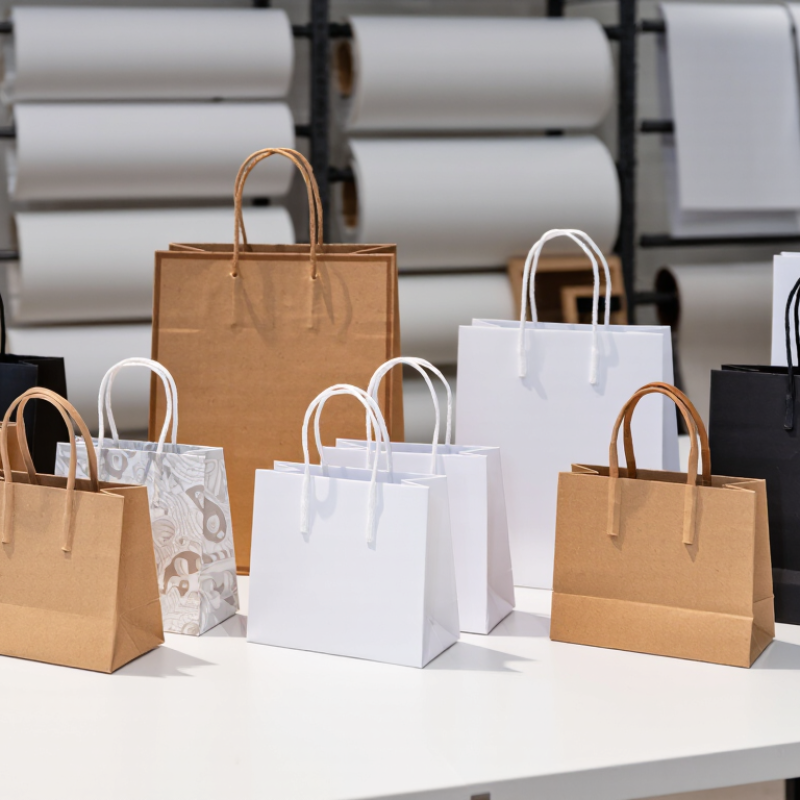
China has a broad network of packaging manufacturers, but not every supplier fits every project. Paper Carrier Bag producers may specialize in retail shopping bags, boutique packaging, or high-volume promotional orders. Their capabilities can differ in paper weight, handle construction, printing quality, and production scale. Some suppliers focus on custom finishes, while others prioritize consistent output and shorter lead times. That difference matters. A smooth sample can look convincing, yet tell little about how a full production run will perform.

This guide examines what buyers should consider when comparing leading paper carrier bag suppliers in China. It looks at product range, customization options, quality controls, communication, and order requirements. These factors offer a more useful starting point than a polished catalog alone. Buyers should ask about minimum quantities, sample fees, material choices, and production schedules. Requesting a physical sample can help assess paper stiffness, handle comfort, and print clarity. Small details count. A supplier’s claims should also be checked against current product specifications and direct discussions with its team.

There is no single supplier that suits every buyer. A small retailer may value flexible quantities, while a larger brand may need repeatable color matching and dependable capacity. Even a careful comparison has limits: factory conditions and service can change over time. Use the profiles as a shortlist, then verify details before making a decision.
Who Are the Top Paper Carrier Bag Suppliers in China?

Overview of China's Paper Carrier Bag Supplier Industry

China’s paper carrier bag suppliers operate within a broad paper-and-board manufacturing base. The China Paper Association reported 129.65 million tonnes of paper and paperboard production in 2023, with consumption reaching 131.65 million tonnes. These figures describe the wider material market, not bag production. Still, they indicate the scale of domestic sourcing for kraft paper, coated stock, and recycled-content grades. Demand exceeded output, so availability can differ by paper type and season. Not every order moves smoothly.

Suppliers commonly handle printing, cutting, folding, and attaching paper or cotton handles. Some also arrange material sourcing and sample development. Buyers should check bag dimensions, paper weight, handle strength, and print consistency against the intended load. A clean sample can mislead. Test filled bags, especially at the handle joints, where weak glue or uneven folding may show up. The China Paper Association’s production and consumption data provide useful context, but they do not verify any individual factory’s capacity or quality. Ask for recent production records and a sample from the actual production process. One practical detail: confirm whether quoted paper weight refers to the finished bag or the paper stock. That small ambiguity can complicate comparisons.

Criteria for Identifying Leading Paper Bag Suppliers

Leading paper carrier bag suppliers are identified through evidence, not polished catalogues. The FAO’s 2022 forest-products statistics report about 401 million tonnes of global paper and paperboard production. That scale makes material sourcing worth checking closely. Ask suppliers to document paper grade, basis weight, recycled-fibre claims, and batch traceability. Request recent test records, too.

Then inspect production quality. Compare printed samples for colour consistency, clean folds, and secure handles. Ask how handle-pull tests are recorded and how defects are tracked between batches. A sample may still hide variation. Check monthly capacity, realistic lead times, and whether the supplier can share inspection records. Clear answers matter more than broad promises.

Tips: Send the same artwork and specifications to each candidate. Test bags with the weight and use they will face in practice. Ask for a pre-production sample, then compare it with the delivered batch. One detail is easy to miss: confirm that quoted paper weight, bag dimensions, and handle material appear in the written order.

Profiles of Notable Paper Carrier Bag Suppliers in China

Profiles of notable paper carrier bag suppliers in China often fall into three groups: integrated paper mills, specialist bag converters, and export-focused packaging factories. Integrated mills can control paper sourcing and offer steadier material specifications. Converters usually provide more flexibility in handle styles, gussets, printing, and smaller production runs. Export-focused factories may be better equipped for sampling, shipment coordination, and buyer communication. These are practical distinctions, not guarantees of quality.

The China Paper Association reported 127.05 million tonnes of paper and paperboard production in 2023, with consumption at 131.65 million tonnes. That scale supports a broad supplier base, but it does not prove any individual factory’s performance. Ask suppliers for paper specifications, sample bags, load-test results, and records showing how recycled content is measured. Check handle attachment closely; a neat-looking bag can still tear under weight. Details matter. Some suppliers provide clear test documentation, while others offer incomplete records, so verification takes time. No profile should replace an audit, especially when order size, delivery consistency, and material claims matter.

China Paper & Paperboard Production, 2020–2023

China’s paper and paperboard production increased from 112.6 million tonnes in 2020 to 127.05 million tonnes in 2023. This industry-wide trend provides supply-chain context for paper carrier bag suppliers; it does not represent individual companies. Source: China Paper Association.

Comparing Product Range, Customization, and Production Capacity

Choosing among paper carrier bag suppliers in China means comparing more than catalog photos. Look for kraft, coated, and recycled-paper options, plus flat or twisted handles and multiple base styles. Customization should cover bag dimensions, paper weight, print colors, handle placement, and finishing. Ask for a physical sample; a digital mock-up can hide weak seams or uneven color. Small details matter.

Production capacity needs evidence. The China Paper Association’s 2023 annual report recorded 144.05 million metric tons of paper and paperboard production, showing a broad material base. That figure does not prove any supplier’s bag-making capacity. Request line-level output, monthly capacity for your bag size, lead times, and recent quality records. Confirm which processes happen in-house and which are subcontracted. Supplier figures can be optimistic; they need checking.

Tips: Send one detailed specification sheet to each supplier. Compare samples, defect limits, and delivery schedules—not just unit prices. A factory visit or third-party audit can clarify gaps.

How to Choose a Supplier for Your Business

When comparing Chinese paper carrier bag suppliers, start with the bag your customers will actually carry. Share its dimensions, paper weight, handle style, printing colors, and expected monthly volume. Ask for a physical sample, not just a product photograph. Check whether the base stays flat when loaded with several boxed items. Small details matter.

Request a written quotation that separates unit price, setup costs, sample charges, and freight. Compare identical specifications across suppliers; a lower quote may mean thinner paper or simpler handles. Ask how they check color consistency, handle bonding, and finished dimensions. What happens if a batch differs from the approved sample? Get the answer in writing. Ask directly. Confirm realistic production and shipping schedules, especially before seasonal launches. Review recent production evidence, and consider speaking with a customer whose order size is similar to yours. Check environmental claims by asking for specific material details rather than relying on vague labels. Good communication helps, but it cannot replace verification. I would not assume everything is settled after one successful sample; production runs can vary, and that is worth planning for.

FAQS

What documents should a paper bag supplier provide?

Ask for paper grade, basis weight, recycled-fibre evidence, batch traceability, and recent test records. Keep copies.

How can I assess print and construction quality?

Compare physical samples for color consistency, clean folds, secure handles, and even seams. Digital previews hide flaws.

Should I test bags with real loads?

Yes. Use the weight and conditions expected in practice, then check handle strength and bag shape. Small tests help.

What production details should I verify?

Request line-level output, monthly capacity for your bag size, lead times, inspection records, and subcontracting details. Figures may be optimistic.

How should I compare product options?

Check kraft, coated, and recycled papers, plus handle styles, base designs, dimensions, paper weight, printing, and finishing.

Do industry statistics prove a supplier’s capacity?

No. National paper output shows a broad material base, not one factory’s bag-making capacity. Verify the supplier’s records.

What should a written order include?

Specify paper weight, bag dimensions, handle material, artwork, colors, and agreed quality limits. Easy to miss.

How can I compare quotes fairly?

Send each supplier the same specification sheet. Compare samples, defect limits, and delivery schedules alongside unit prices. I may still miss a detail.

Conclusion

China’s paper carrier bag industry includes suppliers with different strengths in product variety, customization, and manufacturing capacity. Leading suppliers can be assessed by the quality and consistency of their materials and printing, their experience serving business customers, production lead times, communication, and ability to meet order requirements. Rather than relying on a single measure, buyers should consider how well each supplier’s capabilities match their intended use and purchasing needs.

Notable suppliers may differ in the styles, sizes, finishes, and customization options they offer, as well as the volume they can produce reliably. Comparing these factors helps businesses identify a suitable Paper Carrier Bag partner. Before making a decision, clarify specifications, expected order quantities, delivery schedules, quality standards, and service expectations. A careful comparison of product range, customization support, and production capacity can help ensure a practical fit for both current orders and future growth.

Mason

Mason

Mason is a seasoned marketing professional with a deep expertise in the company's offerings and a passion for driving brand awareness. With a strong background in digital marketing strategies, he has an innate ability to connect with diverse audiences and effectively communicate product benefits.......