Top Paper Carrier Bag Trends for 2026 What to Know?

Time:2026-05-21 Author:Amelia
0%

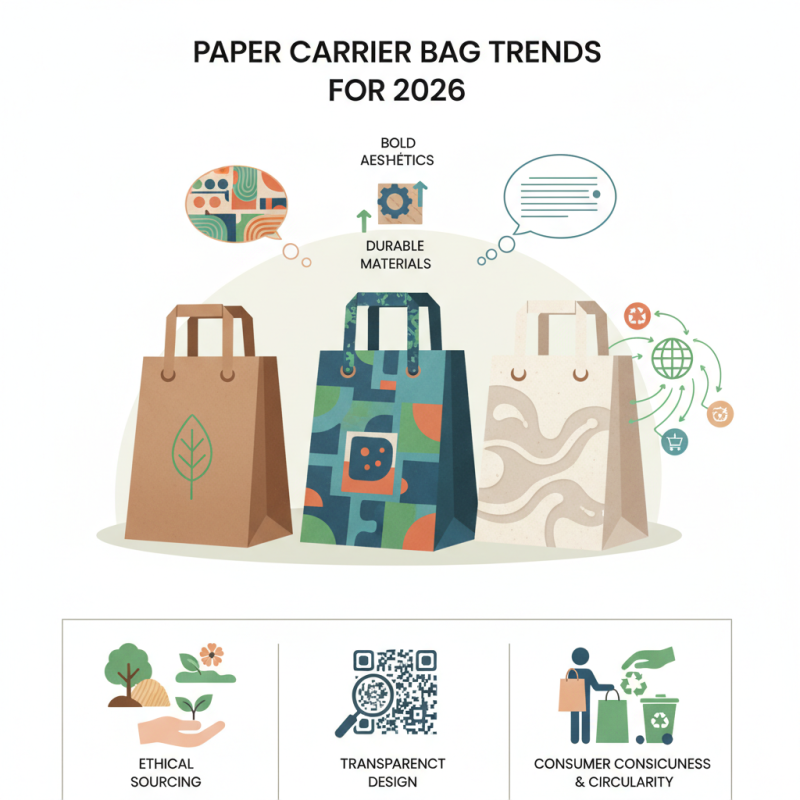
As we look ahead to 2026, the landscape of retail and packaging is evolving rapidly. The Paper Carrier Bag is becoming more than just a practical item. It symbolizes sustainability and consumer consciousness. Brands are increasingly aware of their environmental footprint. They aim to attract customers with eco-friendly options.

Design trends for paper carrier bags will focus on aesthetics and functionality. Bold patterns and vibrant colors will capture attention. Minimalist designs will appeal to those who prefer simplicity. Material quality is crucial as well; stronger, more durable paper will enhance usability. Yet, there remains a challenge in balancing style and environmental impact.

As consumers become more discerning, transparency is vital. Brands must ensure their paper carrier bags are sourced ethically. This raises important questions about production practices. Are companies genuinely committed to sustainability? Is there room for improvement in material sourcing? Such reflections will shape how businesses approach their packaging strategies in the coming years.
Top Paper Carrier Bag Trends for 2026 What to Know?

Emerging Materials in Paper Carrier Bag Production by 2026

The paper carrier bag industry is evolving rapidly, driven by sustainability demands. By 2026, the trend is leaning towards using emerging materials that minimize environmental impact. Reports estimate that the global market for sustainable paper bags will reach $4.2 billion by 2026. This growth indicates a shift in consumer preferences towards eco-friendly options.

One key material gaining traction is recycled paper. This type of paper reduces landfill waste and conserves natural resources. A study from the Environmental Protection Agency shows that recycling paper can save energy equivalent to powering an average American household for six months. Such statistics underline the importance of integrating recycled materials in production methods.

Biodegradable additives are also making waves in this sector. These additives enhance the lifespan and usability of paper bags while maintaining their environmental integrity. However, challenges persist. Many manufacturers find sourcing high-quality biodegradable materials difficult. Additionally, some products may still struggle to decompose in certain environments. It is crucial for the industry to address these concerns to meet the rising ecological standards. As the market progresses, tracking these trends will be essential for stakeholders.

Sustainable Practices Driving the Paper Carrier Bag Industry

The paper carrier bag industry is evolving rapidly, driven by sustainable practices. Consumers are increasingly aware of their environmental impact. Brands are responding by opting for eco-friendly materials. Recycled paper and plant-based inks are becoming more common. These choices not only lessen environmental harm but also appeal to eco-conscious shoppers.

Tips for brands: Consider sourcing locally for materials. This reduces carbon footprints and supports local economies. Engage with consumers about your sustainable journey. Transparency builds trust and loyalty. Also, look for biodegradable alternatives in production processes. Every step counts towards a greener future.

It's essential to reflect on the challenges too. Not every sustainable practice is foolproof. The effectiveness of recycling programs varies widely. Some consumers may still prefer plastic for durability. Finding the balance between functionality and sustainability remains a critical issue. Addressing these concerns will shape the future of paper carrier bags.

Top Paper Carrier Bag Trends for 2026

This chart illustrates the key trends driving the paper carrier bag industry towards sustainability in 2026. The ratings indicate the level of importance of each trend on a scale from 1 to 10, highlighting the growing emphasis on sustainable materials and customization.

Innovative Design Features for Paper Carrier Bags in 2026

In 2026, paper carrier bags will showcase innovative design features that cater to both functionality and aesthetics. Designers are focusing on sustainability by using recycled materials. These bags will not only reduce environmental impact but also appeal to eco-conscious consumers. Smart, foldable designs will make storage easier, allowing users to keep these bags handy for any occasion.

Personalization will take center stage. Consumers will want unique designs that express their individuality. Custom graphics and vibrant colors will become the norm. This trend may lead to an overload of choices, leaving some consumers overwhelmed. Balancing creativity with functionality will be crucial.

Materials will evolve, too. Expect stronger, more durable paper that can carry heavier loads. Special coatings will enhance moisture resistance, which is vital for specific products. However, achieving the right balance between aesthetics and strength may require further refinement. Designers must assess the trade-offs in durability versus environmental benefits. The challenge lies in innovating while staying true to sustainability principles.

Top Paper Carrier Bag Trends for 2026 What to Know?

Trend Description Innovative Features Sustainability Aspect Target Audience
Recyclable Materials Use of fully recyclable and biodegradable materials. Biodegradable ink options and water-resistant coatings. Reduced environmental impact by minimizing waste. Eco-conscious consumers and retailers.
Customizable Designs Greater options for personalized branding and graphics. Advanced printing techniques for vivid designs. Encourages reuse and enhances branding recognition. Retailers focused on brand identity.
Smart Paper Bags Integration of technology for user convenience. Embedded RFID tags for tracking and authentication. Minimizes loss and theft; promotes responsible usage. Tech-savvy consumers and businesses.
Foldable and Compact Design Easier storage and transport when not in use. Designs that fold flat and occupy less space. Promotes minimalism and reduces storage waste. Urban consumers and frequent shoppers.
Enhanced Strength Improved durability for carrying heavier items. Use of thicker paper and reinforced handles. Reduces the need for multiple bags and waste. Consumers needing reliable carrying options.

Consumer Preferences Shaping Paper Carrier Bag Trends

As we look ahead to 2026, consumer preferences are increasingly influencing paper carrier bag trends. Sustainability remains a primary driver. A recent report reveals that 72% of consumers prefer eco-friendly packaging options. This shift indicates a growing awareness of environmental issues and a demand for biodegradable materials. Paper carrier bags are emerging as a favored choice, largely because they align with today's values of reducing plastic waste.

Another critical trend is the focus on design. Modern consumers are seeking bags that are not only functional but also stylish. According to industry analysis, 58% of shoppers consider the aesthetic appeal of their shopping bags important. This desire for customization leads brands to explore unique patterns, colors, and textures. However, the challenge lies in balancing aesthetics with durability. Consumers expect bags that can carry their purchases without compromising on strength.

Consumer education plays a significant role in shaping these trends. As awareness of environmental impact grows, shoppers demand transparency from manufacturers. Reports show that 65% of consumers want detailed information on the sourcing and sustainability of their shopping bags. This call for accountability will push companies to improve their production processes. However, there's a notable gap; many brands struggle to communicate these details effectively, leaving consumers uncertain.

Impact of Legislation on Paper Carrier Bag Trends by 2026

As we look toward 2026, the legislative landscape surrounding paper carrier bags is evolving. Many regions are introducing stricter regulations to combat plastic pollution. Policies favoring biodegradable and sustainable materials are becoming common. These legislative measures aim to reduce reliance on single-use plastics. They encourage businesses to adopt alternatives like paper bags. Such changes will shape consumer preferences in the years to come.

The impact of these laws is evident. Companies may need to adapt their packaging strategies. Some might face challenges sourcing sustainable materials. Quality and durability of paper bags will be scrutinized more than ever. As a result, businesses could feel pressure to innovate. However, this shift also opens doors for new solutions in the market. On the consumer side, awareness of environmental issues is on the rise. People are more likely to choose eco-friendly options when shopping. This change will likely drive demand for paper bags in various retail sectors.

Overall, while the future poses challenges, it also presents opportunities. Businesses must navigate new regulations and shifting consumer ideals. Adopting a sustainable approach will be key to success. Understanding the nuances of these trends will help companies thrive in an evolving marketplace.

FAQS

: What materials are expected to dominate paper bag production by 2026?

: The industry is shifting towards using recycled paper and biodegradable additives.

Why is recycled paper important in paper bag production?

It reduces landfill waste and conserves natural resources significantly.

What challenges do manufacturers face with biodegradable additives?

Sourcing high-quality biodegradable materials can be difficult, affecting production.

How do new regulations impact paper carrier bag trends?

Stricter laws encourage businesses to adopt sustainable materials and rethink packaging.

What will consumers likely prioritize when shopping in the future?

Increased environmental awareness will lead to a preference for eco-friendly options.

Are all biodegradable products guaranteed to decompose effectively?

Some biodegradable products struggle to decompose in specific environments.

What can companies do to adapt to new consumer preferences?

They should innovate and improve the quality and durability of paper bags.

How might legislation affect the legitimacy of paper bags?

It could create pressure for businesses to adopt sustainable practices to comply.

What is the estimated market value for sustainable paper bags by 2026?

It is projected to reach $4.2 billion, reflecting changing consumer behavior.

What opportunities arise from evolving regulations in the paper bag industry?

The need for new solutions can spur innovation and growth in the marketplace.

Conclusion

The paper carrier bag industry is poised for significant evolution by 2026, driven by emerging materials and sustainable practices. Manufacturers are increasingly adopting innovative materials that enhance the durability and environmental profile of paper carrier bags. Sustainability remains a core focus, with practices aimed at reducing carbon footprints and promoting eco-friendly production processes becoming standard.

Design innovation is also expected to play a crucial role, with features that prioritize functionality and aesthetic appeal shaping consumer preferences. Additionally, the impact of legislation promoting sustainability will further influence trends in the paper carrier bag market, ensuring that these products align with environmental regulations while meeting consumer demands for responsible packaging solutions.

Amelia

Amelia

Amelia is a seasoned marketing professional with a wealth of expertise in our company’s core offerings. With an unwavering passion for driving growth and innovation, she plays a pivotal role in shaping our marketing strategies and enhancing brand visibility. A key aspect of her responsibilities......