Transporting wine requires care and precision. A reliable Wine Bottle Carrier can make this task much simpler. Industry reports indicate that over 60% of wine enthusiasts cite convenience as a primary factor in choosing their carrier. Expert sommelier Johnathan Rivers states, "A good Wine Bottle Carrier not only protects the bottles but also enhances the experience of transporting your favorite wines."
Quality carriers come in various materials and styles. Some are designed for picnics, while others focus on elegance for events. However, many consumers overlook comfort in favor of aesthetics. A beautiful carrier may not function well if it's heavy or difficult to handle. Users frequently report these challenges.
Choosing the right Wine Bottle Carrier involves understanding your needs. Consider the number of bottles you transport and the occasions. As highlighted in the Wine Consumer Trends report, nearly 40% of buyers wish for better storage options for their carriers. There's room for improvement in both design and functionality across the industry.
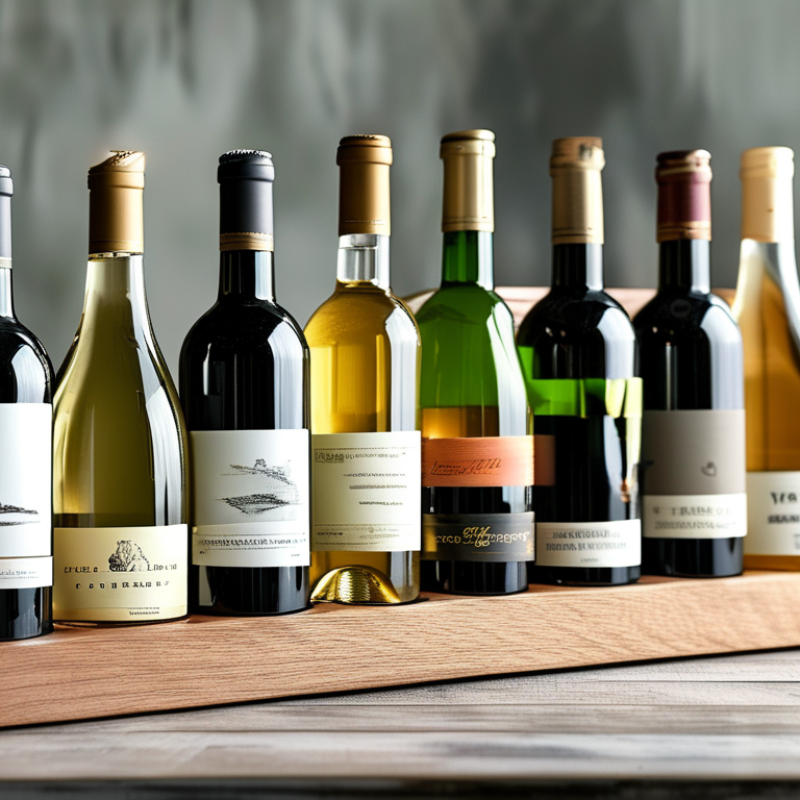
Choosing the right wine bottle carrier involves understanding its essential features. A sturdy, insulated carrier keeps bottles secure during transport. Insulation not only maintains temperature but also preserves your wine's integrity. Research from the Wine and Spirit Trade Association shows that temperature fluctuations can alter wine quality, making insulation a crucial factor.
When selecting a carrier, consider the number of bottles it can hold. Most carriers accommodate between one to six bottles. However, some designs allow for personalization, enabling you to choose based on your specific needs. Look for carriers with padded dividers to prevent bottles from clinking together. This feature reduces the risk of breakage, particularly for delicate glass containers.
Tips: Always test the ease of carrying your chosen carrier. A well-designed handle can drastically improve transport comfort. If you frequently travel, consider a lightweight option. Many portable designs are available, blending durability with convenience. Be mindful of your specific use case, as this can influence your long-term satisfaction with the carrier.
| Carrier Type | Material | Bottle Capacity | Insulation | Weight | Price Range |
|---|---|---|---|---|---|
| Soft Carrier | Neoprene | 1-2 Bottles | Yes | 200g | $10 - $25 |
| Hard Case | Plastic | 2-6 Bottles | No | 1kg | $30 - $60 |
| Wine Backpack | Canvas | 1-3 Bottles | Yes | 500g | $20 - $40 |
| Wine Tote | Cotton | 1 Bottle | No | 150g | $15 - $30 |
| Insulated Bag | Foam | 1-2 Bottles | Yes | 300g | $12 - $28 |
| Rolling Carrier | Durable Fabric | 6-12 Bottles | No | 2kg | $50 - $90 |
| Collapsible Carrier | Plastic/Metal | 2-4 Bottles | No | 600g | $25 - $50 |
| Luxury Carrier | Leather | 1-2 Bottles | Yes | 300g | $70 - $150 |
| Vintage Style Carrier | Wood | 1-3 Bottles | No | 800g | $40 - $80 |
| Multi-function Carrier | Combination Materials | 1-4 Bottles | Yes | 500g | $30 - $70 |
: There are soft tote bags, hard-sided cases, and backpack-style carriers. Each has unique benefits.
Soft tote bags are flexible and can hold multiple bottles. They are ideal for casual outings.
They lack structure and may not protect bottles well during travel. This could lead to breakage.
Hard-sided carriers provide superior protection. They are preferred for long-distance travel to prevent damage.
Younger consumers, particularly those aged 21-35, favor backpack carriers for their convenience and insulation.
Regularly clean the exterior with a damp cloth. Inspect for wear and repair any damage promptly.
Check for fraying or weak stitching. Ensure zippers and closures are functional to prevent spills.
Consider washing it or making repairs. Store it in a cool, dry place to avoid mold or mildew.
Maintenance ensures longevity and effectiveness. An unkempt carrier may not protect your wine properly.
Small oversights, like a broken zipper or stains, can seriously impact the carrier's performance and durability.
When it comes to transporting and storing wine, a quality Wine Bottle Carrier is essential. The best carriers offer features such as insulation to maintain temperature, padded dividers to prevent breakage, and easy-to-carry designs. There are various types available on the market, including tote bags, backpacks, and cases, ensuring that you can find one that suits your style and needs.
Using a Wine Bottle Carrier not only simplifies transport but also protects your prized bottles from potential damage. When choosing the right carrier, consider factors like size, portability, and materials. Proper maintenance and care will help prolong the life of your Wine Bottle Carrier, keeping it in excellent condition for many journeys to come. Whether for a picnic, a dinner party, or wine storage, investing in a high-quality Wine Bottle Carrier can enhance your wine experience.

 Judi Packaging