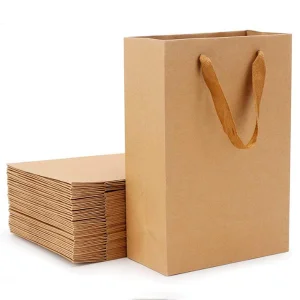
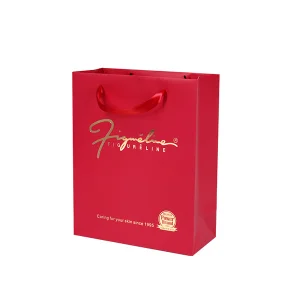
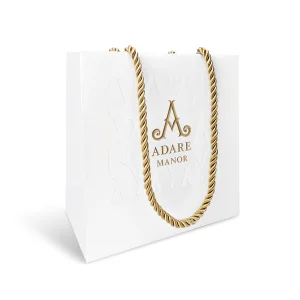
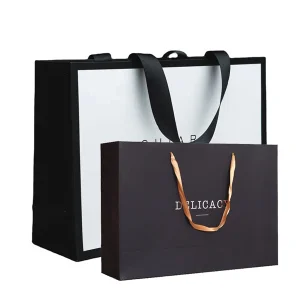
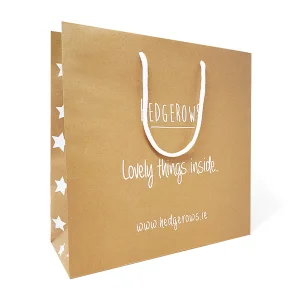
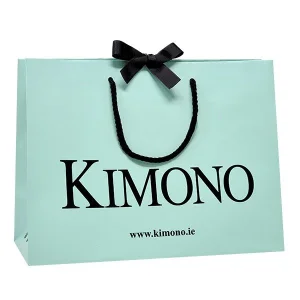
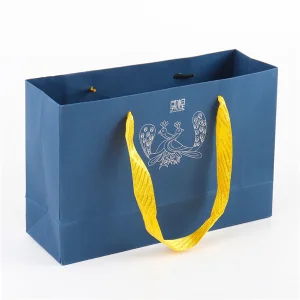
In the modern retail ecosystem, consumer decisions are no longer dictated purely by visual stimuli. As digital touchpoints proliferate, the physical "unboxing" moment has become a primary metric of customer retention and brand premiumization. Global luxury brands, high-end boutiques, and artisanal retail stores are increasingly investing in bespoke textured paper bags with embossed brand logos. This shift represents a transition from structural utility to sensory branding.
The micro-topography of paper packaging—specifically felt finishes, ribbed textures, linen patterns, and deep three-dimensional blind embossing—triggers a cognitive response known as tactile priming. When a consumer receives a package with a distinct texture, it implicitly communicates craftsmanship, heritage, and uncompromising attention to detail. This non-verbal communication is vital in high-value sectors such as premium jewelry, select haute couture, fine wines, and custom cosmetics.
Tactile finishes establish an immediate subconscious benchmark of quality, raising perceived product value by up to 34% compared to smooth, generic laminate surfaces.
Bespoke embossed gift bags are rarely discarded. They are repeatedly reused by consumers as luxury shopping totes, generating continuous organic outdoor brand impressions.
Textured paper eliminates the reliance on synthetic BOPP film laminates. High-relief embossing delivers visual depth without compromising the organic recyclability of FSC certified fiber substrates.
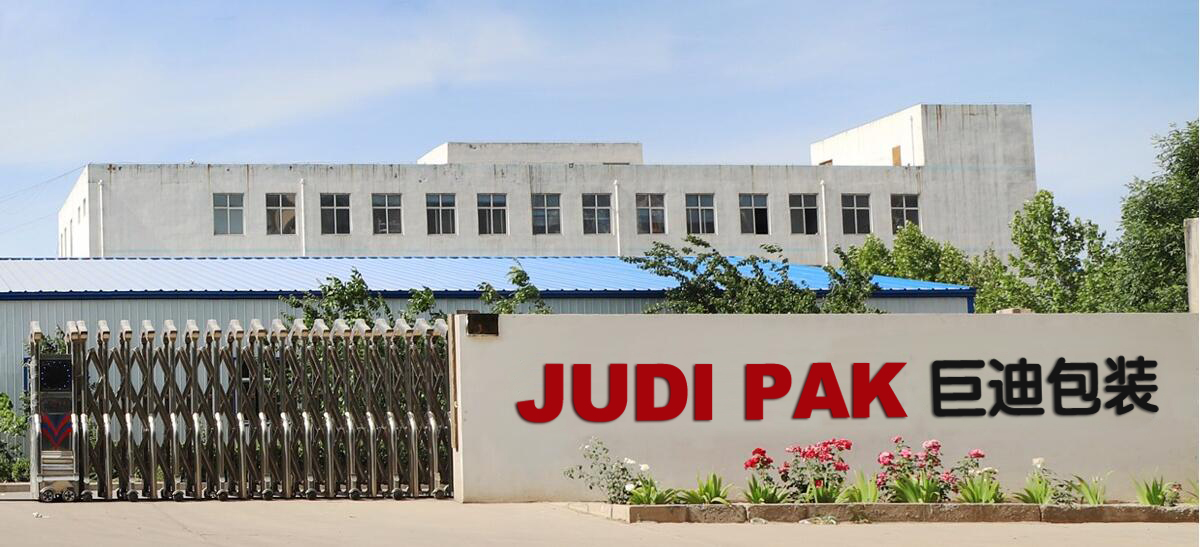
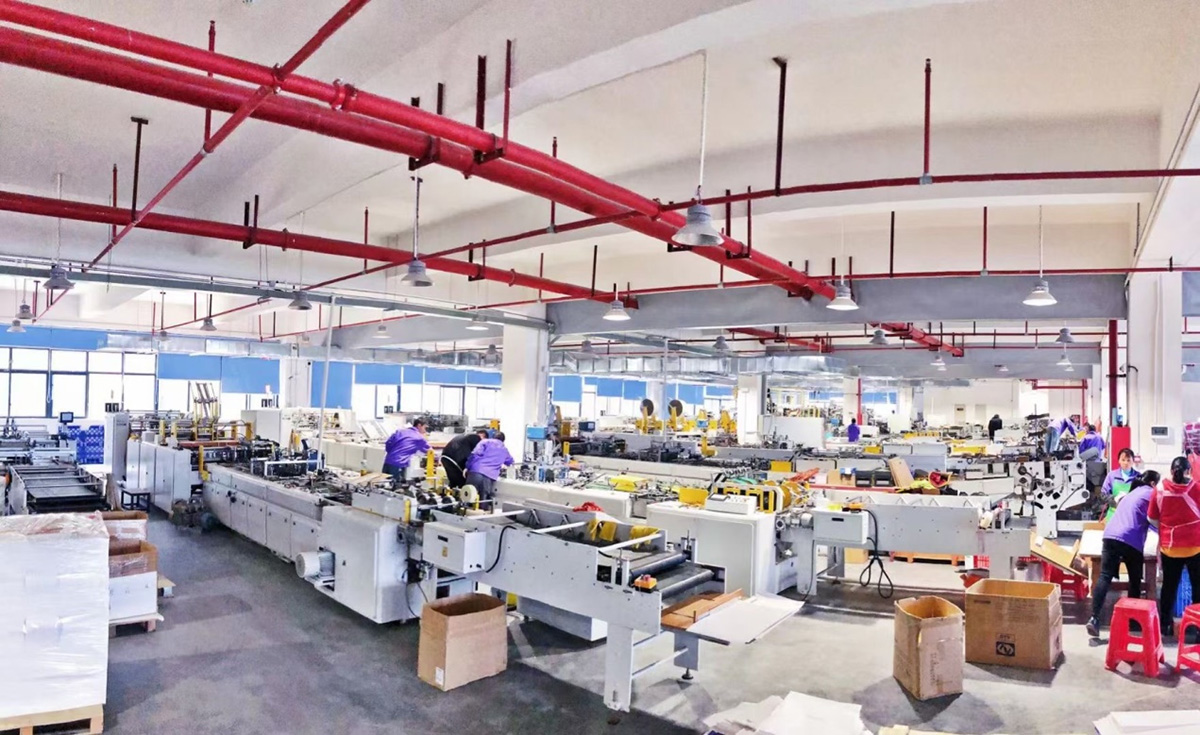
With over 12 years of specialized experience in color printing, bespoke papermaking, and premium assembly, Dongguan Judi Printing & Packaging Co., Ltd. stands as a premier manufacturing standard-bearer in the global packaging space. Spanning a modern office, specialized design lab, prepress proofing workshop, and handcraft assembly floors over 5,000 square meters, our operation coordinates more than 150 skilled staff members to transform premium fibers into structural art.
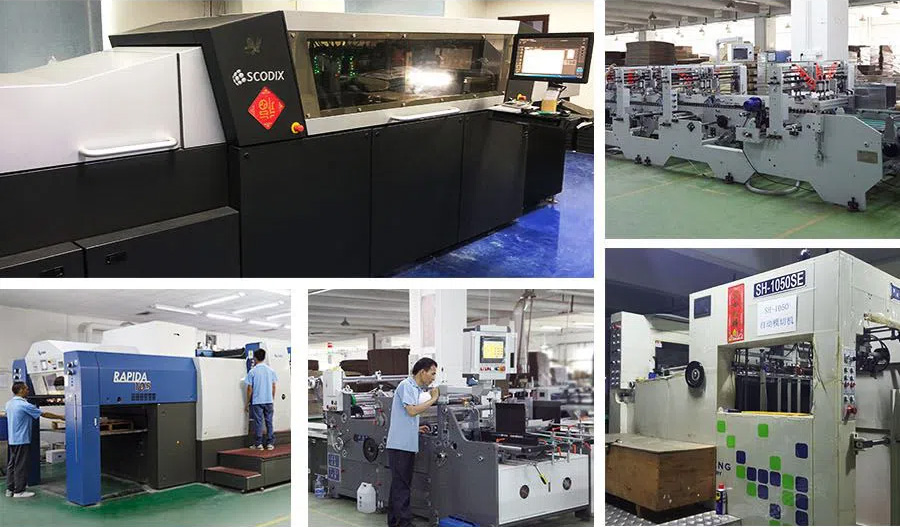
Our infrastructure encompasses a complete ecosystem of advanced machinery. This vertical integration guarantees that we control every micro-millimeter of quality control, lead times, and cost-efficiency without outsourcing liability. The company operates under strict compliance standards, including ISO9001 Quality Management System Certification, and holds full chain-of-custody credentials under the FSC (Forest Stewardship Council) Certification, alongside SGS audits.
| Machine Category | Equipment Specification / Model | Primary Production Functionality | Strategic Advantage |
|---|---|---|---|
| Pre-press Digital Output | High-resolution Screen Plate CTP Systems | Direct-to-plate transfer of artwork geometries | Ultra-sharp micro-dot generation, zero registration shift |
| Offset Lithography | Heidelberg 5C+L UV Offset Printing & 4C Lithrone | Multi-color UV curing, inline gloss coating | Dynamic ink adhesion on textured, raw fiber stock |
| Gravure Systems | 5C Industrial Gravure Press | Heavy metallic, solid coverage base coatings | Perfect ink saturation on high-absorbency kraft base |
| Post-press Finishing | Auto Die-cutting & Heavy Platen Embossing Systems | Creasing, high-pressure foil stamping, blind debossing | Deep micro-embossed relief structures without fiber shear |
| Structure Formation | High-speed Auto Gluing & Paper Bag Formers | High-tolerance structural folding and handles joining | Parallel seam integrity, reliable bottom load capacity |
A common challenge in custom textured bag manufacturing is the structural degradation of the substrate under high pressure, leading to visible micro-cracking or ink distortion along folds. At Judi Packaging, our engineering workflow mitigates this risk by pairing custom plate-making with precise fiber alignment analysis.
Every order undergoes rigorous validation. Our engineers analyze the fiber direction of the chosen paper weight—whether it's heavy premium white kraft, recycled brown kraft, or custom dyed specialty pulp board. By aligning the embossing lines and structural folds with the natural grain direction of the paper fibers, we maximize tensile strength. This attention to detail guarantees that the finished bag maintains its crisp profile even under variable ambient humidity during global shipping.
Our packaging engineers generate custom 2D vector CAD layouts matching your exact dimensional constraints. This blueprint accounts for double-folded top rims, bottom reinforcement cards, and handle insertion points to verify overall structural integrity.
We choose the optimal material base, ranging from 120gsm to 350gsm. We adjust the fiber orientation of the paper web to prevent cracking along crease boundaries when subjected to vertical compression loading.
Using CNC-cut brass dies and precise temperature-controlled platen presses, we apply up to 80 tons of pressure. This delivers razor-sharp blind embossing or metallic foil registration, resulting in distinct three-dimensional contrast.
A luxury brand's packaging must be custom-tailored to its specific product format. Each retail vertical presents distinct weight profiles, transit hazards, and unboxing expectations. Our team matches custom paper weights, structural reinforcements, and aesthetic treatments to these unique market dynamics:
Utilizes thick, dyed-through specialty boards (250-300gsm) with delicate linen embossing, foil-stamped accents, and premium cotton or satin ribbon handles. This structure is built to match the high-end profile of fine jewelry cases.
Designed with wide, reinforced bases and robust top folds. We select high-tensile white kraft substrates and finish them with custom grosgrain handles to ensure they carry heavy fabrics securely without bending or tearing.
Features micro-embossed geometric backdrops, selective spot-UV finishes, and precise foil-stamped branding. The surfaces are engineered to resist fingerprint marks and smudges, keeping the outer packaging immaculate.
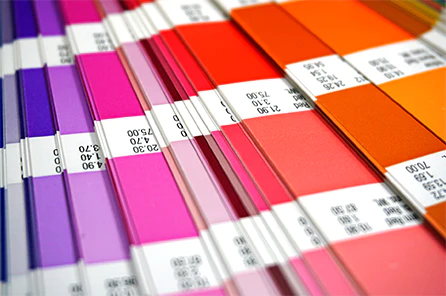
Corporate logos are critical brand assets. Achieving color consistency across variable paper batches is a core focus at Judi Packaging. By combining computer-controlled ink formulation systems with Heidelberg spectrophotometers, we keep variance within ΔE < 1.5.
Whether printing spot Pantone colors on textured kraft paper or running full-color process lithography on white boards, our press operators adjust ink densities in real-time. This system maintains brand color consistency across international locations, ensuring that your packaging looks exactly the same, batch after batch, regardless of the factory production cycle.
Embossing is a complex engineering process that requires managing heat, pressure, and material deformation. Achieving a high-relief structure without breaking the paper fibers requires precise die-calibration:
A subtle finish where the logo is raised above the paper surface without inks or foils. It relies entirely on ambient light and shadows to define the brand mark, making it a popular choice for clean, minimal packaging.
This process aligns hot foil stamping with dimensional embossing in a single pass. It requires precision tooling to ensure the metallic foil borders align with the raised edges, preventing overlapping or misregistration.
An alternative to embossing, where the logo is pressed into the paper stock, creating a recessed design. This technique is often used with extra-thick boards, producing a deep, tactile print impression.
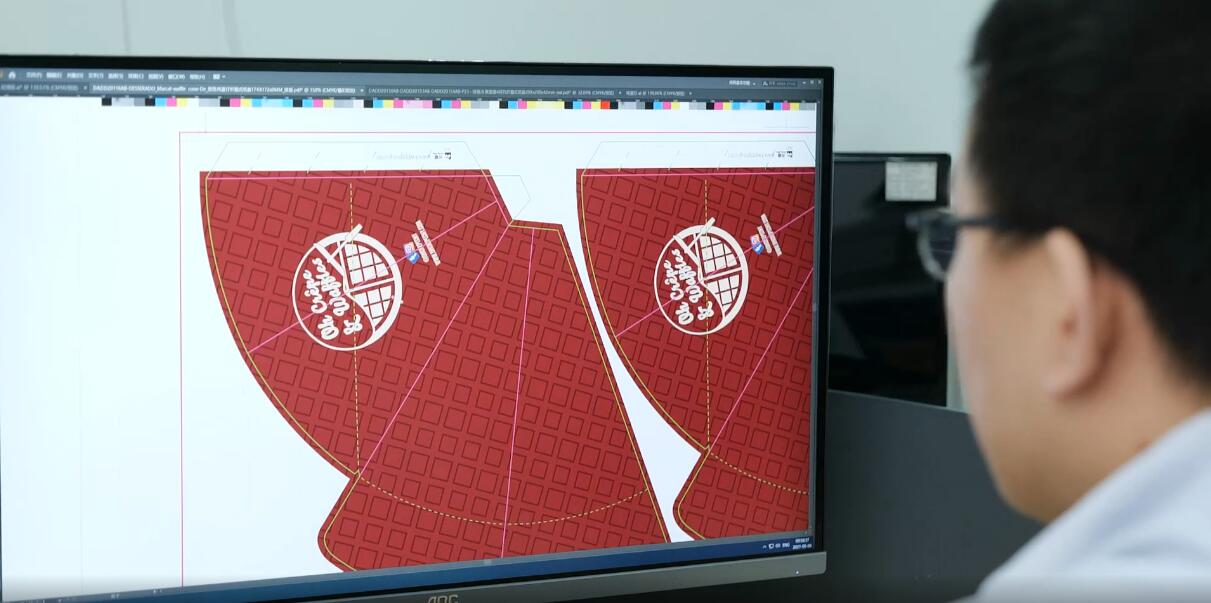
Each packaging project begins with custom CAD patterning. Our design team translates 2D designs into physical creasing dimensions, accounting for folding allowances and stock thickness. A 250gsm board requires wider scoring lines than a 150gsm sheet to ensure crisp folds without cracking.
Once the CAD file is approved, we engrave matching male and female dies using precision CNC routers. During the production run, we adjust pressure curves based on the paper's moisture level to maintain clean, consistent embossing depth across the entire batch.
As global packaging regulations tighten, brands are looking for alternatives to traditional plastics and single-use laminates. Our custom paper bags are designed to help brands meet these strict compliance standards while maintaining a high-end look and feel:
We use special water-based coatings that provide moisture and scratch resistance without plastic laminates, ensuring the bags are fully recyclable in standard paper recovery systems.
All paper stocks are sourced from certified forests that prioritize biodiversity and soil health. This provides a transparent, audited supply chain that supports your brand's sustainability initiatives.
Our offset presses run on soy-based and water-soluble inks. These inks deliver vibrant color depth while remaining free of VOCs, making them safer for both the environment and production teams.
High-volume production requires balancing automated speed with hand-crafted detail. While automated folding lines process the body of the bag, our manual assembly teams reinforce stress points, including handles and baseboards, to ensure consistent quality across large orders.
By using hot-melt glues, we ensure the structural seams remain secure across different temperatures during shipping. This process creates clean, durable seams that support the weight of heavy retail products without failing.
Our standard production runs begin at 1,000 units per size and style. This MOQ allows us to run custom paper extrusion, set up CNC brass engraving dies, and run calibration processes while keeping unit costs competitive for B2B brands.
We adjust our press temperatures and use deeper male/female dies designed for longer-fiber papers. We also pre-condition the paper stocks to maintain optimal moisture levels, ensuring the fibers remain pliable and resist cracking during embossing.
Yes. Because textured papers absorb ink differently than smooth boards, we mix inks to match your Pantone target on the specific paper stock. We verify these matches under industry-standard lighting booths to maintain color consistency across print runs.
Our FSC paper bags are fully recyclable. When utilizing organic fibers such as cotton, paper twist, or die-cut handles, the bag can be processed directly in standard recycling facilities. If using synthetic handles, they can be easily detached before recycling.
Dongguan Judi Industrial is certified under ISO9001 for Quality Management Systems, holds full FSC chain-of-custody credentials, and passes regular environmental and social audits by SGS and ITS.
Judi Packaging provides competitive direct-factory pricing and end-to-end support for custom packaging projects. Contact our engineering team today to request structural templates, paper samples, or an initial production estimate.
 Judi Packaging