Explore our engineering-focused retail and packaging solutions tailored for global brands seeking visual distinctiveness and sustainable compliance.
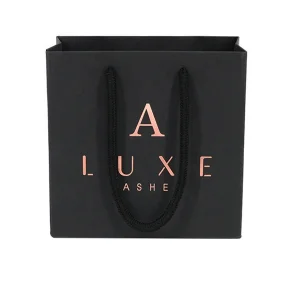
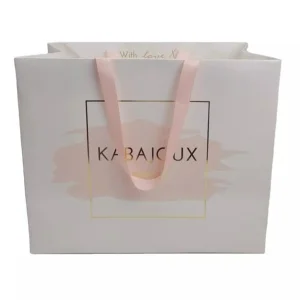
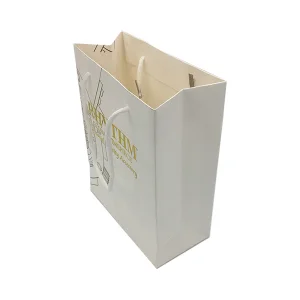
An in-depth structural, environmental, and marketing assessment for B2B supply chain procurement officers.
In the contemporary FMCG, luxury retail, and high-end consumer goods landscapes, the transition away from single-use plastics has passed the point of voluntary corporate social responsibility (CSR) and entered the phase of strict global regulatory compliance. Across the European Union, the Extended Producer Responsibility (EPR) schemes and packaging tax frameworks demand that enterprises adopt recyclable or biodegradable carrier mediums. Similarly, in North America and Asia-Pacific markets, consumer sentiments are actively prioritizing brands that align with environmental stewardships.
For procurement professionals representing multinational corporations, sourcing customized printed paper bags with brand logos has evolved into a meticulous process. It requires securing manufacturing partners capable of delivering both high aesthetic value and guaranteed load-bearing characteristics. This necessity spans across various B2B sectors, from jewelry packaging requiring micro-fine embossing to large-format fashion bags that need to sustain loads up to 10kg without adhesive failure. Crucially, semantic search trends demonstrate that search intents for terms like ustom printed paper bags with brand logo—despite typographical variations—consistently target high-volume manufacturing hubs that can offer structural integrity, certified compliance, and pricing advantages.
Choosing the right paper substrate is critical to establishing brand authority. A premium paper bag is not merely a container; it serves as a tactile touchpoint representing the brand's quality standards.
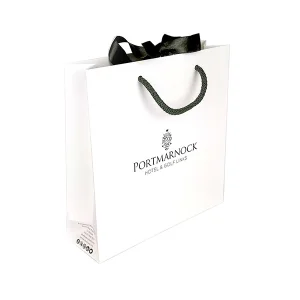
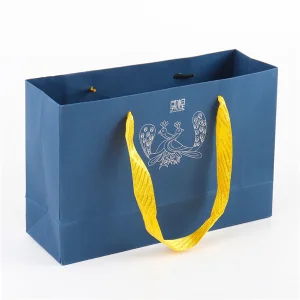
From a structural perspective, the weight capacity of a paper carrier depends not only on the substrate's tensile strength but also on the handle construction and reinforcement methodology. For heavier items, the inclusion of top folding (turn-in) cardboard and bottom reinforcement boards (commonly 350gsm–450gsm duplex board) is essential. Handles can be configured in various ways to match the bag's structural and aesthetic needs. Options include flat paper handles for casual applications, twisted paper handles for reliable standard utility, cotton or PP cords for classic boutique retail, and double-faced satin ribbons for luxury presentations.
How Dongguan Judi Printing & Packaging Co., Ltd. bridges the gap between design and high-volume output.
Dongguan Judi Printing & Packaging Co., Ltd. is a comprehensive color printing and paper bags manufacturing enterprise. Over the course of more than 12 years of export market experience, we have gained a high reputation and recognition across European, North American, and East Asian markets.
The company's primary modern manufacturing facility covers an area of more than 5,000 square meters, containing dedicated office space, prepress prep-rooms, high-speed offset printing bays, post-press surface finishing halls, automated bag assembly lines, and manual assembly workshops. Supported by more than 150 skilled staff, we provide professional and competitive solutions to international retail companies.
Company Name: Dongguan Judi Industrial Co., Ltd.
Business Type: Manufacturer / Factory
Year Established: 1999
Export Percentage: 60% - 70% of total output volume
Compliance Certifications: FSC, SGS, BASIC, ISO9001 Quality Management Standard, ITS Audit
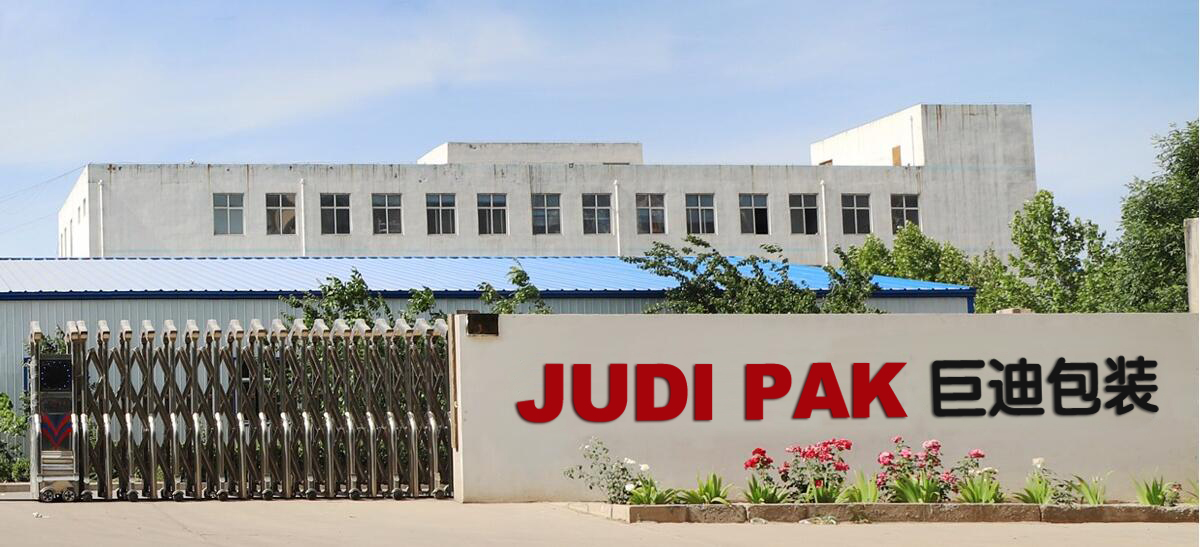
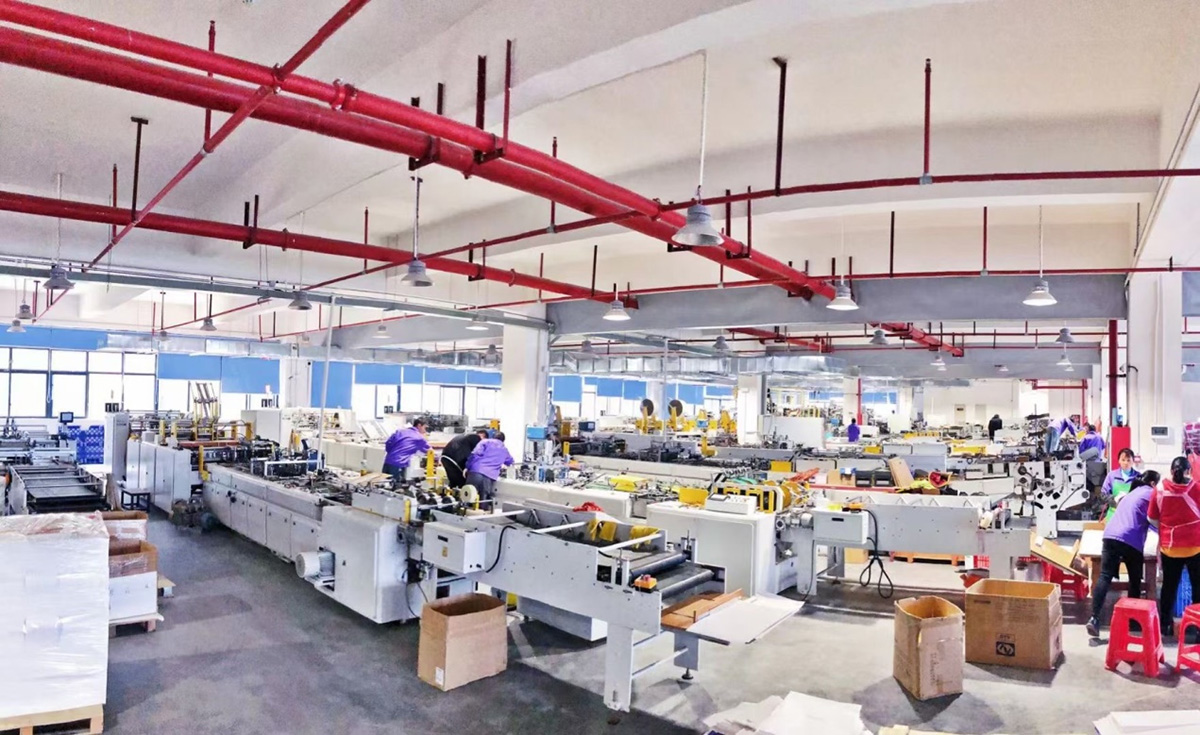
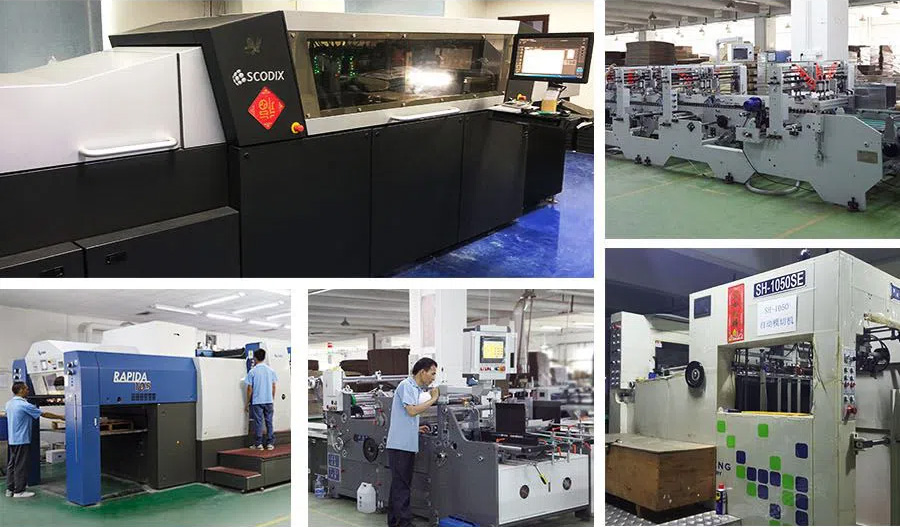
To consistently print high-density colors, we utilize advanced prepress digital proofing systems and high-precision Computer-to-Plate (CTP) plate recorders. Our production floor operates a wide configuration of printing machinery:
By managing all production processes inside our own factory, we can monitor structural stability and color accuracy through a two-tier QA/QC process. This helps limit variations in mass production and helps maintain the color consistency required for enterprise branding.
Our packaging engineering team helps clients transform conceptual designs into production-ready physical bags.
During the diecut engineering and design stage, our structural designers generate precise CAD templates based on the client's dimensional and style requirements. This step ensures that the folding lines, glue tabs, and weight distribution support the overall integrity of the bag.
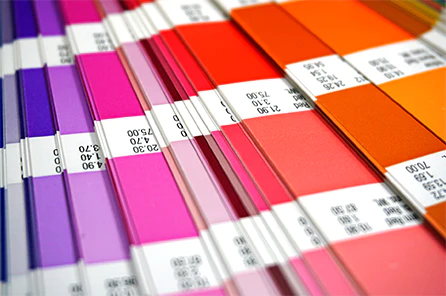
In the color calibration phase, we check our print outputs against the brand's Pantone reference colors. This process minimizes variances across different printing batches and ensures compatibility across various material choices.
Optimizing materials, finishes, and handles to suit specific industry use cases.
For enterprise brands, sustainability claims must be supported by appropriate documentation. The Forest Stewardship Council (FSC) certification guarantees that the wood fibers used in our paper production originate from responsibly managed forests. Additionally, we work with soy-based and water-based inks, which help reduce Volatile Organic Compounds (VOCs) during the manufacturing process. Removing plastic laminations and replacing them with water-based barriers allows the packaging to remain recyclable and repulpable in standard recovery systems, meeting international eco-packaging guidelines.
To assist procurement managers in setting up exact Request for Quotes (RFQs), the table below details our standard manufacturing options:
| Parameter | Standard Offering Options | Applicable Industries |
|---|---|---|
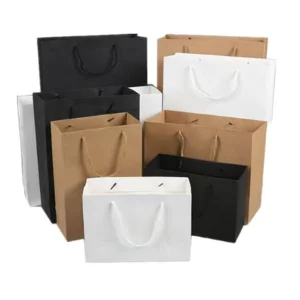
| Paper Materials | Brown / White Kraft (100–200gsm); Art Card (190–300gsm); Recycled Fiber Paper | All Retail Sectors, Cosmetics, Apparel |
| Printing Methods | High-Fidelity UV Offset, Flexographic (water-based inks), Gravure, Silk Screen | Luxury Retail, Corporate Branding |
| Surface Finishes | Matte/Gloss PP/Water Lamination, Spot UV, Foil Stamping, 3D Embossing | Premium Gifting, Jewelry, Cosmetics |
| Handle Styles | Twisted Paper, Flat Kraft Paper, Cotton Cord, Satin Ribbon, Die-Cut Cutouts | E-commerce, Boutiques, Supermarkets |
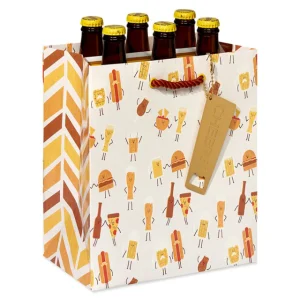
| Load Capacity | Reinforced bottoms and top turns, supporting loads from 2kg to 12kg | Beverages, Heavy Clothing, Hardware |
Streamlined coordination from initial structural design to final port delivery.
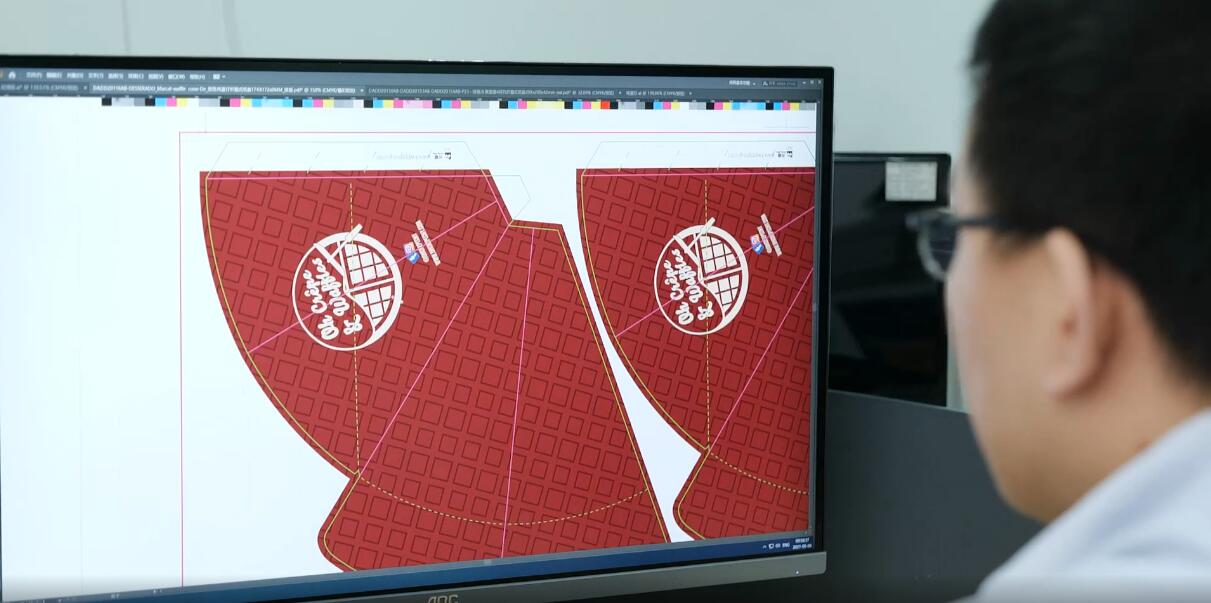
Every order begins with structural planning. Our engineers create detailed CAD blueprints that serve as the layout guides for graphic designers. This step ensures that design elements, crease lines, and bleeding edges are aligned. It helps prevent artwork shifting and structural weaknesses along the folds.
Using digital proofing and physical mockups, we verify that the artwork colors align with brand guidelines. Once the prototype is approved, we calibrate the offset presses to maintain consistency throughout the full production run.
Addressing key logistics, material capabilities, and customization queries for global supply chains.
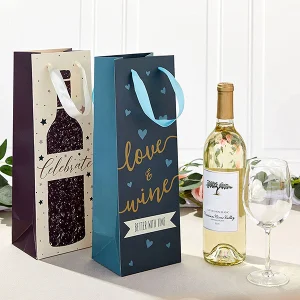
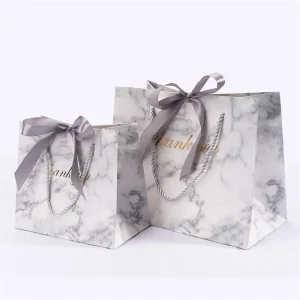
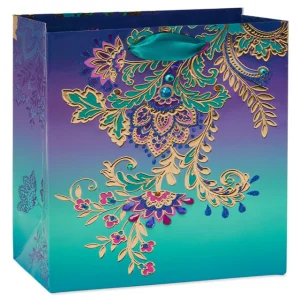
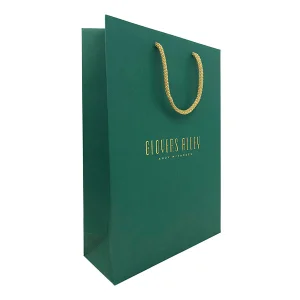
Browse our additional tailored packaging designs including boutiques, holiday collections, and luxury wine carriers.

 Judi Packaging